As consumers read ingredient labels more carefully, natural additives are moving from niche shelves into everyday food development. In 2026, manufacturers are exploring rosemary extract, acerola powder, citrus fiber, pectin, sea salt, and fermented ingredients. These options can support freshness, texture, color, or microbial control. However, “natural” does not automatically mean safer, healthier, or more effective.
The practical question is how to substitute synthetic additives with natural ones without weakening product quality. A bakery may test acerola powder for antioxidant support, while a beverage producer may use pectin to improve mouthfeel. Small trials matter. Natural ingredients can vary with harvest conditions, extraction methods, dosage, and storage temperature. Some also bring stronger flavors, darker colors, or unexpected allergens. That can disappoint customers.
Evidence matters more than marketing language. Food scientists should compare shelf-life results, sensory changes, nutritional effects, and manufacturing costs. Independent testing can reveal whether a natural preservative performs reliably under real conditions. Regulatory approval and accurate labeling remain essential in every market. This guide examines promising alternatives through a practical lens, using current research and industry experience where available. It also recognizes the gaps. Some claims still need stronger human studies. Some natural solutions work beautifully in one formula but fail in another. Better choices require patience, transparent testing, and a willingness to revise early assumptions.
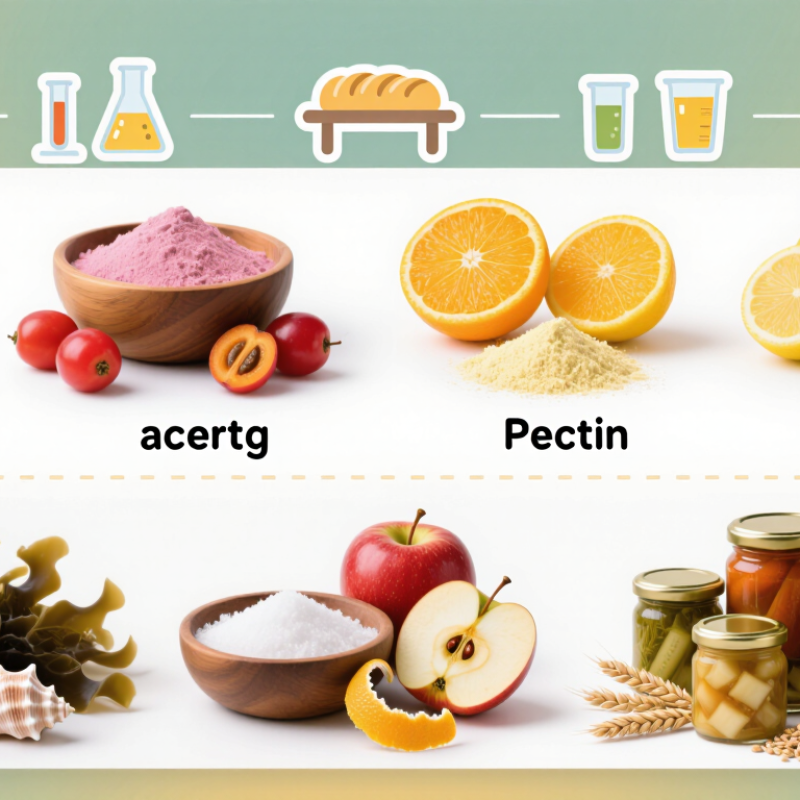
What Are Natural Alternatives to Synthetic Additives?
Natural alternatives are substances from plants, animals, minerals, or controlled fermentation. They can protect food, improve texture, or maintain color. Common examples include rosemary extract and tocopherols for oxidation control. Ascorbic acid can slow browning. Pectin, guar gum, and lecithin support texture and stability. Fermented ingredients may also help manage mold in selected bakery products.
The choice depends on the food matrix, processing temperature, packaging, and expected shelf life. A practical trial may compare color after light exposure, texture after refrigeration, and flavor after storage. Natural does not automatically mean safer or more effective. Some extracts vary by crop, season, and extraction method. That variability can complicate production.
According to Grand View Research’s 2024 natural food preservatives analysis, demand is expanding as manufacturers seek cleaner ingredient statements and longer shelf life. Innova Market Insights has also reported continuing growth in clean-label product launches, especially in bakery, beverages, and snacks. These reports show market momentum, not proof of superior performance. Regulatory authorities still require safety evaluation and accurate labeling. The Food and Agriculture Organization and World Health Organization emphasize that safety depends on exposure, use level, and toxicological evidence. In practice, natural systems often need careful combinations. They may cost more, perform less consistently, or change a product’s taste. Small-scale testing remains essential.
2026 Best Natural Alternatives to Synthetic Additives?
Natural food additives come from plants, animals, minerals, and fermentation. Pectin, extracted from citrus peel and apple pomace, improves gel strength and mouthfeel. Locust bean gum and guar gum provide viscosity in sauces and dairy alternatives. Beetroot betalains, turmeric curcumin, and paprika carotenoids add visible color. Rosemary extract and tocopherols can slow oxidation in oils. Fermentation also produces acids, enzymes, and protective cultures for texture and shelf life.
The market is moving toward recognizable sources. A 2024 MarketsandMarkets report valued the natural food colors market at about USD 1.7 billion in 2023. It projects continued growth through 2028. Codex Alimentarius and JECFA still stress identity, purity, and acceptable daily intake. “Natural” does not automatically mean safer. Dose, processing heat, and interactions matter. In trials, beet color may fade under heat, while turmeric can stain equipment. That practical weakness deserves more attention. The best choice balances source, stability, sensory quality, and verified specifications.
Tips: Check the botanical name, extraction method, carrier, and allergen statement. Ask suppliers for stability data under real storage conditions. Compare the additive’s performance after baking, freezing, or acidic processing. Keep the label simple, but do not sacrifice safety evidence. A clean-looking ingredient list can still hide technical uncertainty.
Natural additives do more than improve a product’s label. They help manage color, texture, flavor, stability, and shelf life. Pectin can create a soft fruit gel in jams and dairy-style products. Lecithin can help oil and water stay blended. Citrus extracts may support freshness while adding a light flavor note.
In practical formulation trials, natural pigments often respond to heat, oxygen, and acidity. Beet color may fade during baking, while turmeric can shift in acidic drinks. These changes require controlled testing, not guesswork. Natural preservatives, such as organic acids, work best when combined with proper packaging, refrigeration, and hygienic processing. An additive alone cannot repair a weak production system.
Texture can be harder than expected. Plant fibers may improve mouthfeel, yet they can create sediment or an unwanted gritty sensation. Sweetener blends may reduce refined sugar, but aftertaste remains a real concern. I have found that small dosage changes can alter an entire beverage profile. That result is easy to underestimate. Reliable development should include stability checks, sensory panels, ingredient specifications, and local regulatory review. Natural does not automatically mean safer, simpler, or more sustainable. Suppliers can also vary between harvests, which makes consistent quality a continuing challenge.
Natural alternatives can support cleaner formulations, but “natural” does not automatically mean safer. Rosemary extract, tocopherols, ascorbic acid, and citric acid may help control oxidation or acidity. Their safety depends on concentration, exposure, product type, and consumer sensitivity. In pilot batches, I would check color changes, rancid odors, sediment, and package interaction. Small details matter.
Regulations differ across markets. Some authorities require approved food additives, while others accept certain substances under specific use conditions. A natural extract may still need safety documentation, purity limits, and evidence for its intended function. “Natural preservative” is not always a legally recognized claim. It can also create unrealistic consumer expectations. I would verify current rules with a qualified regulatory specialist before changing a commercial formula.
Labeling requires equal care. Ingredient names should match the legally accepted terminology for the target market. Allergen sources, processing aids, carrier substances, and required warnings need review. “Free from synthetic additives” may be misleading if the product contains other functional substances. Clear wording is safer than attractive wording. I have seen labels that sounded honest but omitted important context. That weakness deserves correction. Batch records, supplier specifications, stability tests, and complaint monitoring can support reliable decisions, although no checklist catches every problem.
Safety, Regulation, and Labeling Considerations
Natural-origin options such as citric acid, ascorbic acid, tocopherols, rosemary extract, and lecithins may support antioxidant, antimicrobial, or texture functions. However, “natural” does not automatically mean safer or exempt from authorization. Safety evaluation, permitted use levels, specifications, and labeling rules depend on the jurisdiction and food category.
In the European Union, food additives generally appear with their functional class followed by the specific name or E-number. In the United States, the ingredient must comply with an applicable authorization, exemption, or GRAS basis and be declared using the appropriate common or usual name.
Examples of natural-origin alternatives: citric acid (E330), ascorbic acid (E300), tocopherols (E306–E309), rosemary extract (E392), and lecithins (E322). Regulatory status should be verified against the current rules for the target market and product category.
Natural additives can support cleaner formulations, but they are not automatic upgrades. Rosemary extract may slow oxidation in oils, while pectin can improve texture in fruit-based products. Beetroot pigments can provide vivid color without synthetic dyes. These options may appeal to consumers seeking familiar ingredients. They can also offer useful antioxidant, thickening, or coloring functions.
The limitations deserve equal attention. Natural colors may fade under heat, light, or changing acidity. Plant extracts can vary between harvests, creating uneven flavor or performance. Some materials may trigger allergies or interact with other ingredients. They can also cost more and require careful storage. “Natural” does not always mean safer. Evidence still matters.
In pilot batches, test the alternative under realistic conditions. Check appearance after heating, refrigeration, and several weeks of storage. Review supplier documentation, contaminant testing, and applicable food regulations. A small trial may reveal an unpleasant herbal note. That detail is easy to miss.
Tips: Compare the natural option with the current additive using the same recipe. Measure color, texture, shelf stability, and sensory acceptance. Keep records. If results conflict, investigate instead of choosing the more attractive label.
They come from plants, animals, minerals, or fermentation. Examples include pectin, plant gums, pigments, extracts, acids, enzymes, and protective cultures. Their functions include coloring, thickening, blending, flavor support, and oxidation control. Natural does not automatically mean safer.
Pectin can create a soft gel in jams and fruit-based foods. Locust bean gum and guar gum increase viscosity in sauces and dairy alternatives. Lecithin helps oil and water remain blended. Plant fibers may improve mouthfeel, but sometimes create grit or sediment.
Beet pigments can add red or purple tones. Turmeric provides yellow color, while paprika pigments offer orange-red shades. Heat may fade beet color during baking. Acidity can shift turmeric’s appearance in drinks. Color needs testing.
Some extracts and organic acids can slow oxidation or microbial growth. They work better with suitable packaging, refrigeration, and hygienic processing. An additive cannot repair poor production controls. This point is easy to underestimate.
No. Safety depends on dose, purity, processing, and ingredient interactions. Some plant materials may trigger allergies. A clean-looking label can still hide technical uncertainty. Evidence matters more than appearance.
Test the ingredient after baking, freezing, acidic processing, and refrigeration. Check color, texture, flavor, and stability over several weeks. Use realistic pilot batches. A small test may reveal an unwanted herbal note.
Plant composition can change between harvests, locations, and extraction methods. This may affect flavor, color strength, or thickening performance. Ask for botanical names, extraction details, specifications, and stability data. Consistency remains difficult.
Review the carrier, allergen statement, contaminant testing, and storage requirements. Compare performance using the same recipe and dosage. Keep detailed batch records. I would not choose the attractive label alone.
Natural alternatives to synthetic additives are ingredients derived from plants, minerals, microorganisms, or other naturally occurring sources that help preserve, color, flavor, stabilize, or improve the texture of food and beverages. Common examples include plant-based antioxidants, natural colors from fruits and vegetables, fermentation-derived acids, mineral salts, and botanical extracts. Understanding how to substitute synthetic additives with natural ones requires matching each ingredient to its intended function, product formula, processing conditions, and desired shelf life.
Although natural additives may offer a simpler ingredient image and support consumer demand for recognizable labels, they are not automatically risk-free or universally superior. Their safety depends on proper use, purity, dosage, and scientific evaluation. Manufacturers must also consider regional regulations, approved applications, allergen information, and accurate labeling. Natural alternatives can sometimes be more sensitive to heat, light, oxygen, or pH, and may produce variation in color, flavor, performance, or cost. Careful testing and formulation adjustments are therefore essential for achieving stable, safe, and appealing products.

Kawsana Health