When creating water-based cosmetics, understanding how to dissolve water soluble cosmetic ingredients is essential. Many formulators struggle with this process. It involves more than just stirring ingredients into water. The right temperature, time, and technique significantly impact the final product.
For instance, some ingredients may require heating to dissolve effectively. Others might need to be mixed with specific solvents first. It’s crucial to follow the manufacturer’s guidelines for each component. Small deviations can lead to inconsistencies, affecting the product's performance.
Not all attempts will succeed on the first try. Sometimes, ingredients clump instead of merging smoothly. This requires a reflective approach to modifying techniques or equipment. Embracing these challenges allows for continuous improvement in formulating effective cosmetic products.
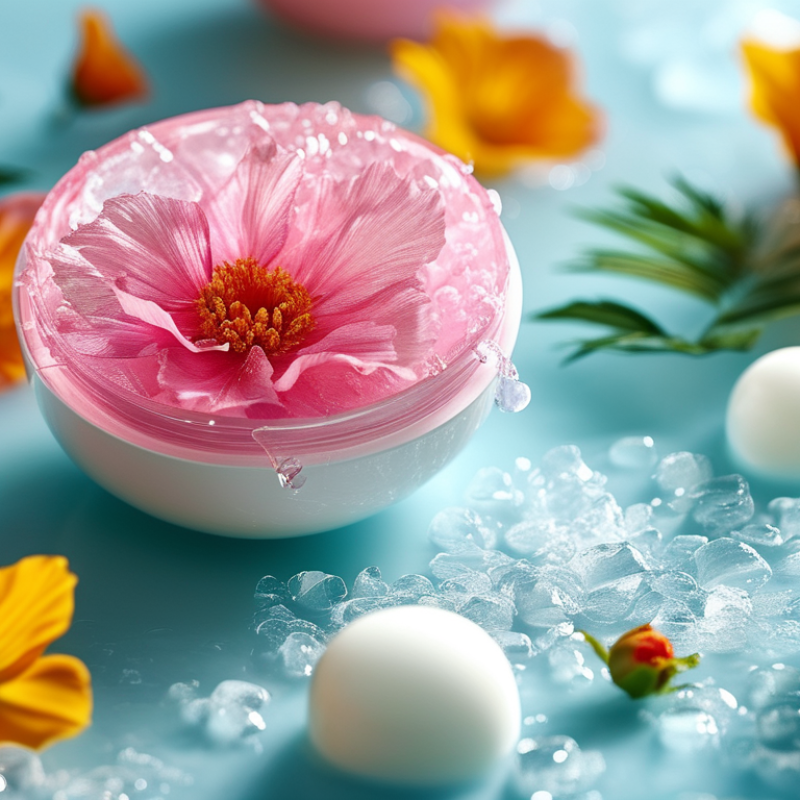
Water soluble cosmetic ingredients play a vital role in modern formulations. These ingredients dissolve quickly in water, enhancing product texture and absorption. Understanding their properties is crucial for effective use.
Many water soluble ingredients, such as hyaluronic acid, have excellent moisture-binding capabilities. They attract water to the skin, providing hydration. However, their stability can sometimes be an issue. Factors like temperature changes can affect their performance. It’s important to consider these variables during formulation.
When mixing water soluble ingredients, proper techniques matter. Use gentle stirring to maintain their integrity. Over-mixing can lead to degradation. Reflecting on the process can lead to better outcomes. It’s not just about choosing the right ingredients; it's about how you treat them in your formulation.
The pH level is crucial when dissolving water-soluble cosmetic ingredients. Many ingredients require a specific pH to ensure they dissolve properly. For example, ingredients like hyaluronic acid thrive in a slightly acidic environment. When the pH is too high or too low, the ingredient may not perform as intended.
Maintaining the right pH can be challenging. Measurements can fluctuate, and even small variations can affect solubility. Using pH strips or meters often helps, but it’s vital to calibrate them regularly. This process may seem tedious, but it greatly enhances the product's effectiveness.
There are instances where factors like temperature and concentration also play roles. Higher temperatures can accelerate solubility, but they might alter some ingredients' stability. Mixing strategies, such as slow incorporation, can lead to better outcomes. It’s essential to experiment and adjust based on specific formulations. This trial-and-error approach can lead to valuable insights, although it may require patience and reflection.
When working with water-soluble cosmetic ingredients, temperature and agitation greatly influence their solubility. Higher temperatures can dissolve many compounds quickly. This is because heat increases molecular movement, aiding in overcoming solubility limits. For example, warming water to a comfortable level before mixing can yield smoother textures. However, be cautious—too much heat may degrade sensitive ingredients.
Agitation also plays a crucial role in the dissolution process. Gentle stirring or shaking can promote a better mix of ingredients. The more you agitate, the more particles come in contact with the solvent. Yet, excessive shaking might introduce air bubbles, affecting the final product’s texture. It is important to find the right balance.
Tips: Always start with the recommended temperatures for each ingredient. Monitor the mixing time to avoid over-agitation. If you notice clumping, gradually adjust the temperature or add a small amount of solvent. Ensure your workspace is clean and organized for effective experimentation. Embrace the learning curve of mixing, as some trials may yield unexpected results.
| Ingredient | Solubility (g/100ml) | Optimal Temperature (°C) | Agitation Method |
|---|---|---|---|
| Sodium Hyaluronate | 5.0 | 25 | Magnetic Stirring |
| Glycerin | 100.0 | Room Temp | Vortex Mixing |
| Niacinamide | 2.0 | 60 | Ultrasonic Bath |
| Panthenol | 4.0 | 50 | Stirring |
| Vitamin C (Ascorbic Acid) | 1.0 | 70 | High Shear Mixing |
When selecting a solvent for water-soluble cosmetic ingredients, the choice between water and other polar solvents is crucial. Water is a primary solvent in cosmetics, but it has limitations. For instance, it can struggle to dissolve certain active ingredients effectively. According to a 2022 report from the International Journal of Cosmetic Science, formulations using alternative polar solvents, like glycerin and propylene glycol, showed improved solubility for active compounds by up to 40%. These solvents can enhance product efficacy and feel.
Using glycerin provides an interesting example. This solvent not only dissolves ingredients well but also functions as a humectant. In testing, products with glycerin achieved a 25% higher hydration level in skin applications compared to water-only formulations. However, formulators need to consider the end product's intended use. Some consumers prefer water-based products, associating them with a clean and simple formulation. Finding a balance between effectiveness and consumer preference is a challenge in formulation development.
Moreover, the interaction between different solvent types and active ingredients can lead to unexpected results. A study published in the Journal of Cosmetic Dermatology highlighted that some blends of polar solvents caused instability in certain formulations. Understanding these nuances is essential for creating reliable cosmetics. Thus, the choice of solvent is not just a technical decision; it directly impacts product perception, effectiveness, and overall consumer satisfaction.
In the realm of cosmetic formulation, water-soluble ingredients play a vital role. These formulations can deliver hydration, stability, and vitality to products. For instance, a case study on hyaluronic acid demonstrates its efficacy. A well-balanced formulation can achieve notable skin hydration without feeling heavy. The right combination of ingredients maximizes performance and consumer satisfaction.
Understanding solubility is crucial. Some ingredients may require specific pH levels or temperatures for effective dissolution. For example, glycerin can enhance the stability of other water-soluble actives when combined correctly. It is vital to experiment with ratios to achieve the desired texture and viscosity. This trial-and-error approach can reveal unexpected synergy between ingredients.
Tips: Always test small batches first. Monitor the consistency and effectiveness of your formulation, making adjustments as needed. Keep an eye on stability over time. Observing how ingredients behave in various conditions will inform future formulations. Document these findings; they provide valuable insights for further development. Water-soluble formulations invite innovation, but flexibility and observation are key to success.
: Water soluble ingredients dissolve quickly in water, improving texture and absorption in cosmetic formulations.
Hyaluronic acid attracts water, providing hydration and enhancing the skin's moisture levels.
Temperature changes and improper mixing techniques can negatively impact the performance of these ingredients.
Gentle stirring maintains the integrity of ingredients. Over-mixing can lead to degradation and undesirable results.
Higher temperatures increase molecular movement, aiding in the dissolution of many water soluble compounds.
Monitor the mixing time to avoid clumping. Too much agitation can introduce air bubbles affecting texture.
Testing small batches allows you to monitor consistency and effectiveness before scaling up the formulation.
Glycerin can enhance stability and synergy when combined with other water soluble actives during formulation.
Observing ingredient behavior in different conditions is essential for future formulation success.
Embrace the learning curve and be flexible. Some trials may yield unexpected but valuable results.
The article titled "How to Effectively Dissolve Water Soluble Cosmetic Ingredients?" provides a comprehensive overview of techniques to enhance the dissolution of these ingredients in cosmetic formulations. It begins by exploring the properties of water soluble cosmetic ingredients and highlights the critical role of pH levels in influencing their solubility. Various techniques, such as adjusting temperature and applying agitation, are discussed to optimize the dissolution process. Additionally, the article compares different solvents, emphasizing the advantages of water versus other polar solvents in effective formulation.
Through case studies, the article illustrates successful examples of formulations utilizing water soluble ingredients, demonstrating practical applications of the discussed techniques. For cosmetic formulators seeking guidance on how to dissolve water soluble cosmetic ingredients effectively, this overview serves as a valuable resource to enhance product stability and efficacy.

Kawsana Health