What Dietary Supplements Are Essential for Vegans 7 Tips

Time:2026-10-26 Author:Sienna
0%

Choosing a vegan diet can support health, but careful planning remains important. Plant foods provide fiber, antioxidants, potassium, and many valuable nutrients. However, some nutrients are harder to obtain consistently without animal products. This raises a practical question: what dietary supplements are essential for vegans?

Vitamin B12 deserves special attention. Reliable fortified foods or a supplement are usually necessary because unfortified plants do not provide dependable B12. Vitamin D may also matter, especially for people with limited sunlight exposure. Iodine, calcium, iron, and omega-3 fats require a closer look. Needs vary with age, menstrual status, pregnancy, medical history, medications, and the quality of the daily diet. One person may need an algae-based DHA and EPA supplement, while another may meet needs through fortified foods and careful meal planning.

Small details matter. Check a supplement label for dosage, form, and independent quality testing. A bowl of fortified cereal may help, but it should not replace a complete nutrition strategy. Iron supplements can be harmful when taken unnecessarily, so blood testing and professional advice are wise. The same caution applies to high-dose vitamin D or iodine. No plan is perfect, and even experienced vegans can overlook changing needs. A registered dietitian or qualified healthcare professional can review food records and laboratory results. These seven tips will help you identify sensible supplements, avoid common mistakes, and build a safer, more reliable vegan routine.
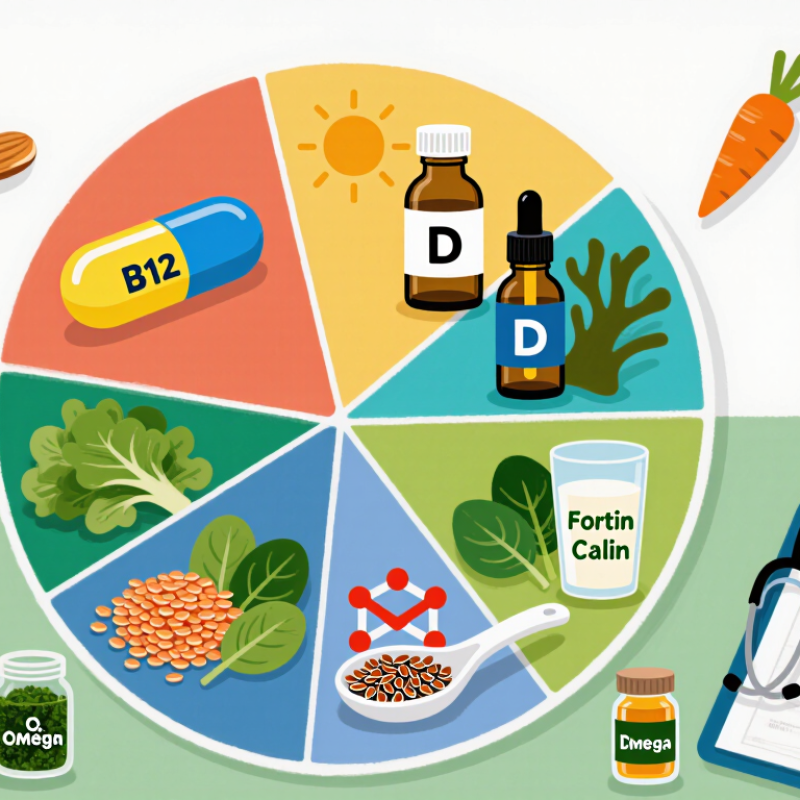
What Dietary Supplements Are Essential for Vegans 7 Tips

Why Vegans May Need Targeted Nutritional Supplements

What Dietary Supplements Are Essential for Vegans? 7 Tips

A well-planned vegan diet can support health, but some nutrients need special attention. Vitamin B12 is the clearest priority because reliable plant foods rarely provide enough. A deficiency may develop quietly, causing fatigue, numbness, or memory changes. Use a proven B12 supplement and follow professional dosing advice.

Tip 1: Consider vitamin D, especially during winter or with limited sunlight.

Needs vary by skin tone, location, age, and lifestyle.

Tip 2: Check iodine intake through fortified foods or a suitable supplement. Too little or too much can affect thyroid function.

Tip 3: Omega-3 fats from algae may support a practical alternative to fish-based sources. Evidence is promising, but supplements are not magic.

Iron, calcium, zinc, and selenium deserve a more individual approach. Beans, tofu, seeds, leafy greens, and fortified foods can help, yet absorption differs. Pairing iron-rich meals with vitamin C may improve absorption. Avoid taking iron automatically, since excess iron can be harmful. A clinician can review symptoms, diet, medications, and blood tests before recommending it.

Tip 4: Track calcium across the day, not just in one meal.

Tip 5: Ask about vitamin D and B12 testing when appropriate.

Tip 6: Check zinc if your diet contains few legumes, grains, nuts, or seeds.

Tip 7: Reassess your plan after major changes, such as pregnancy, illness, or intense training.

Nutrition advice is rarely perfect; even careful plans sometimes miss a small gap.

Vitamin B12: The Essential Supplement for Every Vegan

Vitamin B12 is the essential supplement for every vegan because reliable plant sources are extremely limited. B12 supports red blood cells, nerve function, and normal energy metabolism. A deficiency can develop quietly. Tiredness may appear first, but numbness or balance problems can become more serious.

Choose a supplement that provides cyanocobalamin or methylcobalamin. Cyanocobalamin has been studied extensively and is often stable and affordable. Follow the product instructions or ask a registered dietitian for an appropriate schedule. Some people take a small daily dose, while others use a larger weekly dose. Absorption can vary with age, digestive conditions, and certain medicines.

Fortified foods can help. Check plant milks, breakfast cereals, and nutritional yeast for a clear B12 amount. However, food labels deserve attention. Serving sizes can be surprisingly small. Relying on one fortified food is an easy mistake. A supplement offers more dependable coverage.

Do not wait for symptoms.

A blood test can provide useful evidence, especially after changing diets. Ask a healthcare professional about B12, methylmalonic acid, or homocysteine testing when appropriate. I used to think feeling energetic meant my intake was adequate. That assumption was weak. Nutrient status is not always visible, and regular monitoring may be wiser than guesswork.

Key Nutrients to Assess: Vitamin D, Iron, Iodine, and Calcium

Vegan diets can be nutritionally complete, but four nutrients deserve careful assessment: vitamin D, iron, iodine, and calcium. The NIH Office of Dietary Supplements lists 600 IU of vitamin D daily for most adults. Sunlight may help, yet winter, darker skin, indoor work, and clothing can reduce production. Blood testing can reveal problems that diet tracking misses. I would not treat every low-energy day as iron deficiency.

Tip: Check vitamin D, ferritin, and hemoglobin with a qualified healthcare professional. Plant-based iron is less readily absorbed than heme iron. The NIH recommends 8 mg daily for adult men and 18 mg for premenopausal women. Lentils, tofu, pumpkin seeds, and fortified cereals provide useful amounts. Pairing them with peppers or citrus may improve absorption. Supplements should follow test results, not guesswork.

Iodine supports thyroid hormones, while calcium protects bones and muscle function. NIH data lists 150 micrograms of iodine and 1,000 mg of calcium daily for most adults. Use iodized salt carefully, because specialty salts often contain little iodine. Fortified plant milk can supply calcium, but amounts vary sharply between products. Read the label and check serving size. A dietitian can assess intake, medications, kidney health, and laboratory results before recommending supplements. Evidence-based guidance still has limits; individual needs are not perfectly predictable.

Omega-3 Sources and Supplement Options for Plant-Based Diets

What Dietary Supplements Are Essential for Vegans: 7 Tips

Omega-3 planning deserves careful attention in vegan diets. Omega-3 is not one nutrient. Flaxseed, chia seeds, hemp seeds, walnuts, and rapeseed oil provide alpha-linolenic acid, or ALA. The body converts ALA into EPA and DHA, but conversion remains limited and highly variable. The National Institutes of Health Office of Dietary Supplements lists adequate ALA intakes of 1.1 grams daily for women and 1.6 grams for men. These figures do not guarantee sufficient EPA or DHA status.

Algae-based supplements provide direct DHA, with some products also containing EPA. This option avoids fish-derived ingredients and fits plant-based diets. The European Food Safety Authority’s Dietary Reference Values report identifies 250 milligrams of EPA plus DHA daily as a useful adult intake for normal cardiac function. Individual needs may differ with pregnancy, age, medications, or health conditions. Professional guidance matters.

Check the supplement facts panel carefully. Look for actual DHA and EPA amounts, not merely total oil weight. A large capsule may contain surprisingly little omega-3. Take it with a meal containing fat, because absorption can improve. Storage also matters; heat, light, and stale odors suggest quality problems. A common mistake is treating walnuts as a complete EPA source. They are valuable, but conversion is imperfect. I would also review the plan after several months, since nutrition advice can look tidy on paper and still miss real dietary habits.

How to Choose, Use, and Monitor Vegan Supplements Safely

What Dietary Supplements Are Essential for Vegans 7 Tips

How to Choose, Use, and Monitor Vegan Supplements Safely

A well-planned vegan diet can be nutritionally strong, but some nutrients deserve deliberate attention. Vitamin B12 is essential because reliable plant foods rarely provide it naturally. Choose a supplement with a clearly stated form and dose, ideally after discussing your needs with a qualified clinician. Fortified foods can help, yet they should not be your only safety net. This sounds cautious, but missed B12 deficiency can develop quietly.

Vitamin D depends on sunlight, skin exposure, season, latitude, and individual health. Testing can guide a sensible dose. Iodine may be useful when iodized salt intake is inconsistent. Sea vegetables vary widely and are not automatically safer. Algal DHA and EPA can support a vegan pattern, especially for people who rarely eat omega-3-rich foods. Iron is different. Do not take it routinely without evidence of low stores or professional advice.

Read labels for serving size, independent testing, allergens, and unnecessary megadoses. Take supplements as directed, and keep a simple log with the date, dose, symptoms, and diet changes. Ask a clinician or registered dietitian to review results during pregnancy, adolescence, chronic illness, or medication use. Blood tests may include B12 status, vitamin D, ferritin, and thyroid markers when appropriate. Recheck after a reasonable interval instead of changing several products at once. More can feel reassuring, but it may hide the real problem. Track. Question. Adjust carefully.

FAQS

Why is vitamin B12 important for vegans?

B12 supports red blood cells, nerve function, and normal energy metabolism. Plant sources are extremely limited.

Which forms of vitamin B12 can vegans consider?

Common options include cyanocobalamin and methylcobalamin. Cyanocobalamin is well studied, stable, and often affordable.

Can I rely only on fortified foods for B12?

Fortified plant milks, cereals, and nutritional yeast can help. Check the serving size and stated B12 amount carefully. Labels can mislead. One food may not provide dependable coverage.

Should vegans wait for symptoms before taking B12?

No. Deficiency can develop quietly. Tiredness, numbness, or balance problems may appear later, when the problem is more serious.

How should vegans choose a B12 schedule?

Follow the supplement instructions or consult a registered dietitian. Some people use a small daily dose, while others use a larger weekly dose.

Can a blood test check vitamin B12 status?

A healthcare professional may suggest B12, methylmalonic acid, or homocysteine testing. Feeling energetic does not prove adequate intake. I once assumed it did.

Which plant foods provide omega-3?

Flaxseed, chia seeds, hemp seeds, walnuts, and rapeseed oil provide ALA. A tablespoon of ground seeds can fit easily into breakfast.

Are plant-based omega-3 supplements useful?

Algae-based supplements provide direct DHA, and some also provide EPA. Check actual DHA and EPA amounts, not total oil weight.

How should omega-3 supplements be taken and stored?

Take them with a meal containing fat. Store them away from heat and light. A stale odor may suggest quality problems. Review the plan after several months.

Conclusion

A well-planned vegan diet can provide many essential nutrients, but certain vitamins and minerals may require special attention. This guide explains what dietary supplements are essential for vegans and why targeted support may be helpful when food sources are limited. Vitamin B12 is especially important because reliable plant-based sources are uncommon. Other nutrients to assess include vitamin D, iron, iodine, and calcium, depending on individual needs, dietary habits, sun exposure, and health status.

The article also explores plant-based omega-3 options and explains how to select suitable supplements safely. Readers will learn why dosage, product quality, timing, and consistency matter, as well as how to avoid taking unnecessary or excessive amounts. Regular monitoring through professional guidance and, when appropriate, health tests can help identify deficiencies and adjust supplementation. With informed choices and a varied diet, vegans can better support energy, bone health, thyroid function, blood health, and overall well-being.

Sienna

Sienna

Sienna is a skilled marketing professional with a deep expertise in our company’s core products and services. With a passion for innovation and detail, she plays a pivotal role in crafting insightful blog posts that not only highlight the unique features of our offerings but also provide valuable......