Food preservatives are common in many packaged products. They help extend shelf life and improve safety. However, a growing number of people experience allergic reactions to these substances. This leads to the critical question: why do some food preservatives cause allergies? Understanding this issue is essential for consumers, health professionals, and manufacturers.
Many preservatives, such as sulfites and benzoates, can trigger immune responses in sensitive individuals. These reactions may range from mild symptoms like rashes to severe anaphylaxis. Individuals may not always recognize their allergies immediately. This lack of awareness highlights the need for better labeling and education on allergens.
Research shows that the rise in food allergies may correlate with increased preservative use. As food processing evolves, more additives are introduced. Some preservatives are known to disrupt gut health, potentially leading to increased sensitivity. It's vital to reflect on how these changes impact our health.
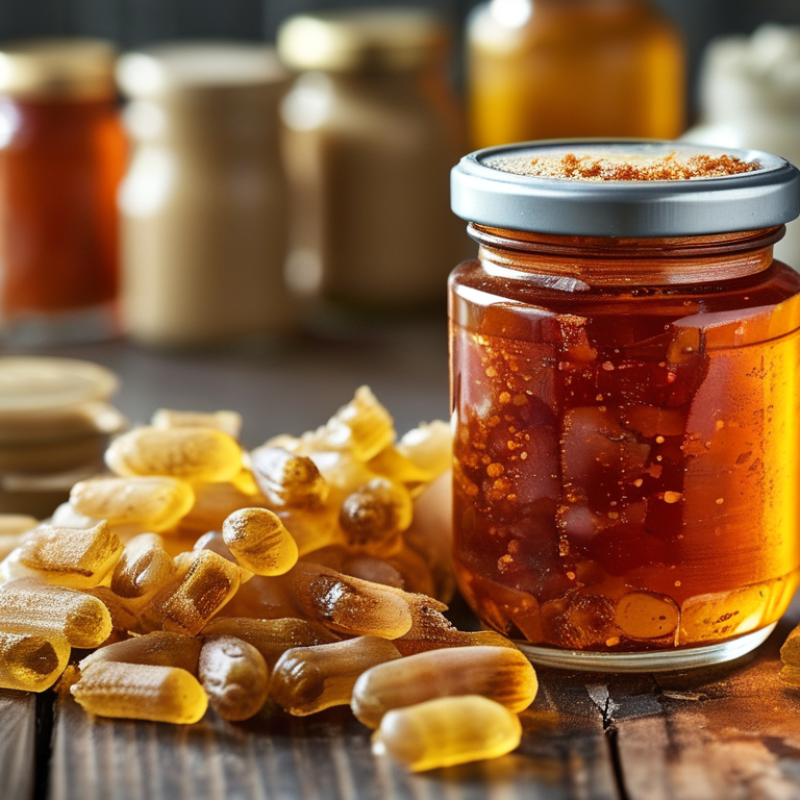
Understanding Allergies Related to Food Preservatives
Food preservatives are essential in extending shelf life. However, some individuals experience allergic reactions to these additives. The prevalence of food allergies related to preservatives has increased significantly. A study published in the Journal of Allergy and Clinical Immunology found that nearly 10% of children have allergic responses to certain preservatives.
Certain preservatives, like sulfites and benzoates, are common culprits. These chemicals can trigger symptoms such as skin rashes, breathing problems, and gastrointestinal distress. Awareness is crucial for those with known sensitivities. It’s important to read labels carefully. Understanding ingredient lists can prevent unexpected allergic reactions.
Consider limiting processed foods. Fresh fruits, vegetables, and whole grains can nourish the body without preservatives. Also, cooking at home allows for better control over ingredients. Keep a food diary to track any symptoms. Identifying specific triggers can be enlightening. By recognizing patterns, individuals can make informed dietary choices. Awareness and proactive management can greatly enhance quality of life.
Common Types of Food Preservatives and Their Uses
Food preservatives play a significant role in extending the shelf life of various products. Common types include sodium benzoate, sulfites, and nitrites. Sodium benzoate is frequently used in acidic foods, such as salad dressings and soft drinks. A study published by the FDA indicated that this preservative can cause allergic reactions in some individuals. Such reactions may include skin rashes and respiratory issues.
Sulfites often appear in dried fruits, wines, and some canned goods. The USDA reported that sulfites could trigger asthma attacks in sensitive individuals. An estimated 1% of the population may experience adverse reactions when consuming sulfites. Meanwhile, nitrites are commonly used in processed meats. They help prevent bacterial growth and enhance flavor. However, certain studies suggest a potential link between nitrites and allergic responses, raising concerns about their widespread use.
The reliance on these preservatives warrants further investigation. While they offer significant benefits in food preservation, their potential to trigger allergies cannot be ignored. The food industry faces a challenge in balancing food safety and consumer health. More transparency in ingredient labeling could help consumers make informed choices. Understanding the risks associated with these additives encourages reflection on their use in everyday products, paving the way for safer alternatives.
Mechanisms Behind Allergic Reactions to Preservatives
Food preservatives play a significant role in extending shelf life. However, some individuals experience allergic reactions to these substances. Understanding the mechanisms behind these allergies can shed light on this complex issue.
Certain preservatives, like sulfites or benzoates, can trigger histamine release in sensitive individuals. Histamine is a chemical involved in immune responses. It causes symptoms like hives, swelling, and gastrointestinal distress. This reaction often occurs because the body perceives these preservatives as harmful invaders. Some immune systems react strongly to these substances, mistaking them for allergens.
Moreover, cross-reactivity might occur between food preservatives and other allergens. For example, someone allergic to certain fruits may also react to specific preservatives. This complexity highlights the necessity for individuals to be vigilant about ingredient labels. Awareness is crucial, yet the unpredictability of reactions adds to the challenge. Each person’s response varies, making it essential to approach food choices with caution. This unpredictability can be frustrating and demands patience and learning for those managing these allergies. Awareness and understanding are key to navigating this dietary minefield.
Populations Most Affected by Preservative Allergies
Preservative allergies are more common than many realize. Certain populations are more susceptible. People with existing sensitivities often seem to react more strongly. Children particularly face higher risks due to their developing immune systems. Adults with asthma or eczema are also vulnerable. Studies indicate that preservatives can exacerbate these conditions.
Another group affected includes those with histamine intolerance. They may struggle with symptoms after consuming preserved foods. Older adults show heightened sensitivity as well. Aging body systems may not handle additives as efficiently, leading to allergic reactions. Additionally, certain ethnic populations may react differently to specific preservatives. Genetic factors play a role here, influencing how preservatives are metabolized.
The food industry often uses a variety of preservatives. However, their safety is not universally accepted. Often, individuals remain unaware of the specific preservatives in their food. This lack of awareness can lead to unexpected allergic responses. Education about food labels is crucial. Understanding each ingredient helps consumers make informed choices. Exploring alternative food options may reduce exposure to harmful preservatives.
Preventive Measures and Alternatives to Harmful Preservatives
Food preservatives are widely used to extend shelf life and maintain flavor. However, some can trigger allergic reactions in sensitive individuals. Achieving a balance between safety and preservation is crucial. Reports indicate that around 1% to 2% of people may experience food allergies linked to certain preservatives, such as sulfites and benzoates. Common symptoms include respiratory issues, skin reactions, and gastrointestinal distress.
To mitigate the risks, consumers can opt for natural alternatives. Ingredients like vinegar, lemon juice, and salt can serve as effective preservatives. A study by the European Food Safety Authority found that these natural options often provide similar shelf-life benefits with fewer side effects. It’s essential to read labels carefully. Foods labeled as “preservative-free” are often a safer choice for allergic individuals.
Despite advancements, more awareness is needed about the potential effects of food additives. Research shows that many food producers still rely heavily on synthetic preservatives. This reliance can lead to unintentional exposures for susceptible individuals. As the food industry evolves, exploring safer alternatives and educating consumers remains a pressing need. A mindful approach to food consumption can significantly affect overall health and well-being.
Why Do Some Food Preservatives Trigger Allergies? - Preventive Measures and Alternatives to Harmful Preservatives
| Preservative Type |
Common Allergic Reactions |
Preventive Measures |
Natural Alternatives |
| Sulfites |
Headaches, respiratory issues |
Read labels, limit consumption |
Ascorbic acid, vinegar |
| Benzonates |
Rashes, asthma attacks |
Avoid processed foods |
Honey, lemon juice |
| Nitrites |
Nausea, skin irritation |
Limit processed meats |
Celery powder, sea salt |
| Artificial Colors |
Hyperactivity, allergy-like symptoms |
Choose natural foods, avoid bright colors |
Beet juice, turmeric |
FAQS
: Food preservatives help extend shelf life and maintain freshness. They can be natural or synthetic compounds.
Certain preservatives can trigger allergic responses in sensitive individuals. Symptoms may include rashes, breathing issues, and stomach upset.
Sulfites and benzoates are often linked to allergic reactions. They can affect various bodily functions.
Children, adults with asthma, and those with eczema are particularly vulnerable. Older adults may also show heightened sensitivity.
Reading ingredient labels can help. Keeping a food diary may reveal patterns and specific triggers.
Fresh fruits, vegetables, and whole grains are healthier choices. Cooking at home allows better control over ingredients.
Researching food labels and ingredients can enhance your understanding. Awareness of what you're consuming is essential.
Yes, some ethnic groups may metabolize preservatives differently. This affects their risk of allergic reactions.
While not entirely feasible, you can limit exposure by choosing fresh or minimally processed foods.
Consult a healthcare provider for proper testing and guidance. Making informed dietary choices can improve your health.
Conclusion
Food preservatives play a crucial role in extending the shelf life of products, yet the question remains, "why do some food preservatives cause allergies?" Understanding the allergic reactions related to these substances is essential. Common preservatives include sulfites, benzoates, and nitrates, each used to inhibit spoilage and maintain freshness. However, these chemicals can trigger immune responses in certain populations, leading to symptoms ranging from mild irritation to severe allergic reactions.
The mechanisms behind these allergies often involve the body mistakenly identifying preservatives as harmful, prompting an immune response. Certain groups, such as individuals with asthma or existing food intolerances, may be more susceptible. Preventive measures, such as reading food labels carefully and opting for natural alternatives, can help individuals avoid harmful preservatives and reduce the risk of allergic reactions, thus making informed dietary choices easier.

 Kawsana Health