How to Identify Clean Label Food Additives in China Top 10?

Time:2026-07-20 Author:Mason
0%

Identifying clean label food additives in China can be challenging due to the vast market. Food industry expert Dr. Alice Wang emphasizes, “Understanding labels is key to making informed choices.” This insight reflects the growing consumer demand for transparency in food products.

Clean label typically refers to ingredients that are recognizable and minimally processed. Consumers want to know what they are eating. Yet, many additives remain ambiguous. It raises critical questions: Are these additives truly clean? How can one effectively identify clean label food additives?

In the Chinese market, regulations vary and labels can be misleading. A simple ingredient list may conceal artificial additives. Therefore, knowledge is power. It requires vigilance and research to distinguish between safe and questionable ingredients. This journey involves sifting through information and understanding the nuances of food labeling. Engaging with reliable sources and familiarizing oneself with common additives can lead to smarter choices.
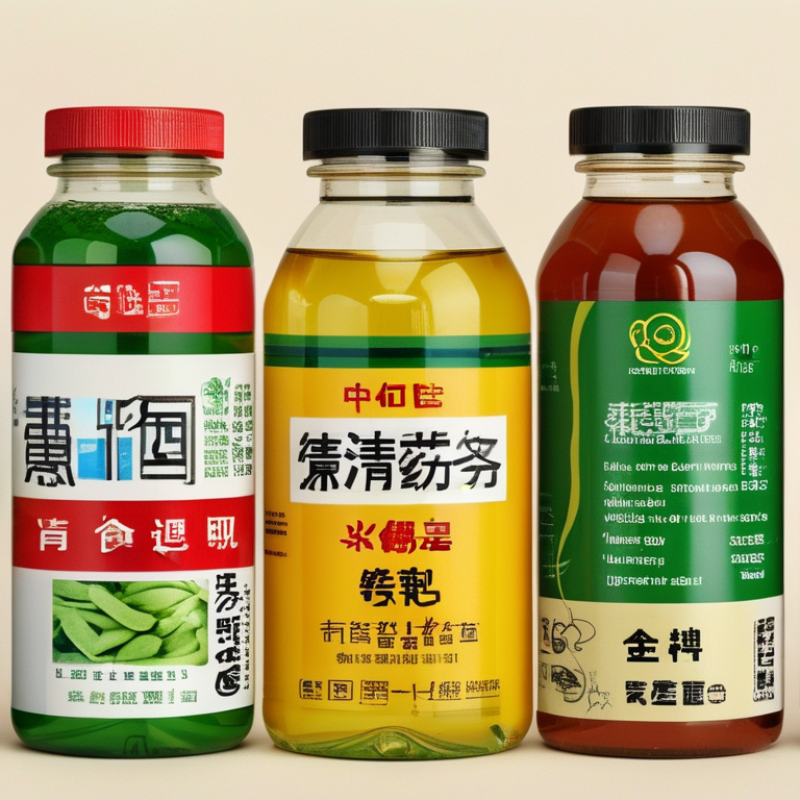
How to Identify Clean Label Food Additives in China Top 10?

Understanding Clean Label Food Additives: A Brief Overview

Clean label food additives refer to those ingredients that are minimally processed and derived from natural sources. In the evolving food industry, there’s a significant shift towards transparency in food labeling. According to a recent report by the International Food Information Council, 67% of consumers prefer foods that list few and recognizable ingredients. This trend highlights a growing demand for clean label products in China, a market projected to grow significantly in the coming years.

Understanding these additives is crucial for consumers. They seek healthier options, often scrutinizing ingredient lists for safety and quality. Clean label additives include natural preservatives, colors, and flavors. Research from Mintel indicates that 54% of Chinese consumers are willing to pay more for products that use clean label additives. This willingness reflects a changing mindset towards health consciousness and food safety.

However, not all clean-label claims are created equal. There is ongoing debate around definitions and standards, leading to potential confusion among consumers. Some additives may be labeled as "natural", yet still undergo considerable processing. Industry experts emphasize the need for clear regulations and better consumer education to navigate these options effectively. This complexity presents both challenges and opportunities for the food industry in China.

Key Regulations and Standards for Food Additives in China

In recent years, the food industry in China has focused on clean label food additives. Key regulations and standards are vital for ensuring food safety. The National Health Commission (NHC) of China establishes these standards. They align with international guidelines but have unique local requirements. The Chinese Food Safety Law clearly outlines permissible food additives, their uses, and maximum limits.

Reports reveal that over 60% of consumers in China prioritize natural ingredients. These preferences shape regulations. The latest GB 2760 standard categorizes food additives, ensuring transparency for consumers. Manufacturers must label these additives clearly. This effort promotes informed choices, enhancing food safety. Compliance is monitored through rigorous inspections as revealed by market analysis.

Tip: Always check the ingredient list for unfamiliar additives. Educate yourself on which additives are considered clean label. Transparency may be lacking in some brands, so rely on reliable sources for information. Consider joining local forums or groups focused on clean food to stay updated.

Reflection is needed. Clean labels may not guarantee full transparency. Some additives can still be derived from synthetic sources. Balancing knowledge about food additives while making choices remains a challenge for consumers. It is essential to question what's in our food and push for clearer labels.

Common Clean Label Food Additives Found in Chinese Products

In recent years, clean label food additives have gained traction among consumers in China. These additives are perceived as healthier options, with an increasing demand for transparency in food labeling. A report by Xinhuanet indicates that nearly 70% of Chinese consumers prioritize natural ingredients. This shift influences manufacturers to adapt their formulations to meet these expectations.

Common clean label additives include vinegar, lemon juice, and essential oils. These components serve not only as flavor enhancers but also as preservatives. Research from the National Center for Biotechnology Information shows that natural preservatives can extend shelf life without compromising quality. Another popular choice is pectin, often derived from fruits. It acts as a thickening agent and is considered safe.

Tip: Keep an eye out for ingredients you can recognize. Simple, familiar names often indicate cleaner formulations. Consumers should remain skeptical of products with lengthy, complex ingredient lists, as they may indicate artificial content. Regularly checking labels can empower users to make informed choices.

Methods for Identifying Clean Label Ingredients on Food Labels

Identifying clean label food additives can be challenging, especially in a market as vast as China’s. Various methods exist to help consumers make informed choices. The first step involves scrutinizing ingredient lists on packaging. Ingredients should be recognizable and minimal. Studies indicate that over 70% of consumers prefer products with fewer additives. This preference emphasizes the importance of clear labeling.

Another effective method is to look for certifications. Many products highlight certifications for being organic or free from artificial ingredients. Research shows that certified products often have higher consumer trust. Labels may use terms like “natural,” which can be misleading. Understanding these nuances is crucial. Regulatory bodies have not always defined these terms clearly, leading to confusion among consumers.

Furthermore, consumers can utilize mobile apps designed for scanning food labels. These apps can provide instant insights on additives. Reports suggest that the use of technology in food choices is rising, especially among younger generations. They seek transparency and are more likely to question ingredient sources. This growing trend calls for increased vigilance from manufacturers to ensure compliance with consumer demands for clarity and authenticity.

Consumer Resources and Tools for Evaluating Clean Label Additives

Clean label food additives are gaining popularity in China. Consumers seek transparency in food products. Understanding how to evaluate these additives is essential. Tools like online databases and apps can guide shoppers in choosing safe options.

One effective resource is ingredient label scanning apps. They allow consumers to scan products and reveal detailed information. Users can learn about each additive’s purpose and safety. Additionally, community forums offer valuable insights. Here, consumers share experiences and findings about different additives. Some resources may lack comprehensive data. Users should verify information before making choices.

Still, not all additive labels are straightforward. Sometimes, terms can confuse even experienced consumers. Being aware of common misleading labels is crucial. If an ingredient sounds natural, it may not be. Greater knowledge fosters better decisions. Embracing this learning process empowers consumers to select clean label products wisely.

FAQS

: What are clean label food additives?

: Clean label food additives are minimally processed and derived from natural sources. They reflect a trend toward ingredient transparency.

Why do consumers prefer clean label products?

Many consumers seek healthier options. They often prefer foods with fewer and recognizable ingredients for safety and quality.

What common clean label additives are popular?

Common additives include vinegar, lemon juice, essential oils, and pectin. These serve as both flavor enhancers and preservatives.

How can I identify clean label ingredients?

Check ingredient lists for recognizable names. Fewer additives often indicate cleaner formulations.

Are clean label claims always accurate?

Not all claims are trustworthy. Some additives labeled as "natural" may still undergo significant processing.

What role do certifications play in food labeling?

Certifications can enhance consumer trust. Look for labels indicating organic or free from artificial ingredients for assurance.

How can technology help in food choices?

Mobile apps for scanning food labels are becoming popular. They provide instant information on additives and ingredients.

What challenges exist with clean label labeling?

Definitions of "natural" and other terms can be unclear. This ambiguity can mislead consumers regarding product quality.

Why is it important to scrutinize ingredient lists?

Long and complex ingredient lists may signal the presence of artificial content. Always opt for simpler, familiar names.

How does the market for clean label products look in the future?

The demand for clean label products is expected to grow significantly, reflecting a shift towards health consciousness.

Conclusion

The article "How to Identify Clean Label Food Additives in China Top 10?" provides a comprehensive guide on recognizing clean label food additives, emphasizing the importance of understanding what these additives are and their role in consumer health. It begins with a brief overview of clean label food additives, followed by an exploration of the key regulations and standards governing their use in China.

Additionally, the article identifies common clean label food additives found in Chinese products and offers practical methods for consumers on how to identify clean label food additives on food labels. Furthermore, it highlights consumer resources and tools that can assist in evaluating the transparency and safety of these additives. By following these guidelines, consumers can make informed choices and navigate the complexities of food labeling effectively.

Mason

Mason

Mason is a seasoned marketing professional with a deep expertise in the company's offerings and a passion for driving brand awareness. With a strong background in digital marketing strategies, he has an innate ability to connect with diverse audiences and effectively communicate product benefits.......