Why Are Plant Extracts Taking Over Synthetic Ingredients?

Time:2026-08-04 Author:Madeline
0%

The surge of plant extracts in various industries prompts the question: why are plant extracts replacing synthetic ingredients? Consumers are increasingly favoring natural options. They seek transparency in product formulation. This shift is driven by health concerns and environmental awareness. People are becoming more informed about the potential risks of synthetic ingredients.

Research supports the benefits of plant extracts. They are often more compatible with the human body. Many believe that nature offers safer, more effective solutions. However, synthetic ingredients have dominated for years. This raises concerns about potential biases toward natural alternatives. While plant extracts provide promising results, they also come with challenges. Variability in potency and quality can hinder consistency.

In a world striving for sustainability, plant extracts offer a viable path. However, skepticism remains. Consumers must consider both the benefits and limitations of these natural options. This ongoing debate reflects the complexities of modern choices in health and beauty products. Exploring why plant extracts are replacing synthetic ingredients involves navigating this intricate landscape.
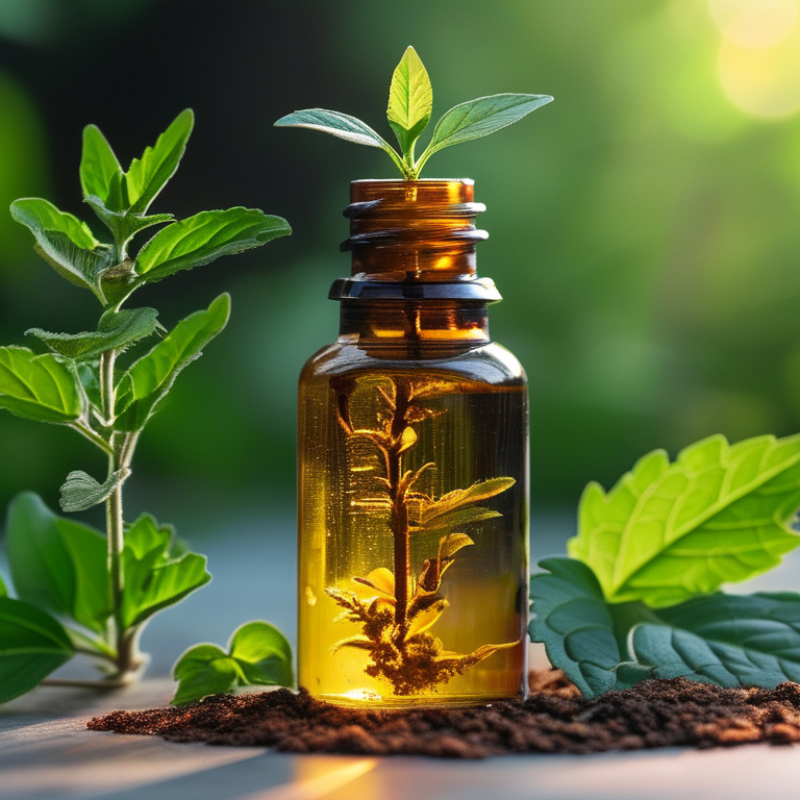
Why Are Plant Extracts Taking Over Synthetic Ingredients?

The Shift from Synthetic to Natural: An Overview of Plant Extracts

The beauty and wellness industries are witnessing a significant shift from synthetic ingredients to plant extracts. According to a recent report by Grand View Research, the global herbal extracts market is expected to reach $13.3 billion by 2028, growing at a remarkable rate of 9.2% annually. This trend indicates a rising consumer preference for natural products perceived as safer and more effective. Plant extracts, known for their potential health benefits, are gaining traction in various formulations.

Natural ingredients like chamomile and peppermint are revered for their soothing properties. Many consumers are now wary of synthetic chemicals due to safety concerns. A survey by Nielsen reported that 53% of consumers are willing to pay more for natural products. This growing consumer awareness is a driving factor behind the shift. However, the quality of plant extracts can be variable, which may lead to inconsistencies in product formulation. Not all natural sources are entirely benign, and some may cause allergic reactions or irritation.

The regulatory landscape also plays a role in this transition. Many manufacturers are exploring green chemistry principles to ensure their natural products meet safety and efficacy standards. Yet, challenges such as sustainability and sourcing remain prevalent. Transparency in sourcing and processing methods is critical. However, some companies may fall short in providing clear information, leaving consumers uncertain. It’s essential for brands to address these issues as they navigate the complex landscape of natural ingredient utilization.

Key Benefits of Plant Extracts Over Synthetic Ingredients

The shift towards plant extracts is driven by their numerous advantages over synthetic ingredients. Studies indicate that over 60% of consumers prefer products containing natural ingredients due to perceived safety and health benefits. Plant extracts possess a wide range of bioactive compounds. These compounds can provide anti-inflammatory, antioxidant, and antimicrobial properties. For instance, flavonoids found in many plants are known to combat oxidative stress and enhance overall skin health.

In contrast, synthetic ingredients may lead to adverse reactions. Reports suggest that nearly 30% of consumers have experienced sensitivities to synthetic chemicals in personal care products. This has prompted brands to explore natural alternatives. Additionally, plant extracts often have a lower environmental impact. A 2021 report highlighted that bio-based products result in 50% lower carbon emissions than their synthetic counterparts. The push for sustainability is a key motivator for the industry's shift toward nature-derived ingredients.

As the market evolves, the lack of regulations around 'natural' claims raises concerns. Consumers must remain vigilant. The efficacy of plant extracts can vary widely based on sourcing and extraction methods. Transparency is critical for brands to build trust. Rethinking ingredient formulations is essential as the demand for safety and efficiency continues to rise.

Why Are Plant Extracts Taking Over Synthetic Ingredients? - Key Benefits of Plant Extracts Over Synthetic Ingredients

Aspect Plant Extracts Synthetic Ingredients
Source Natural plants Chemically synthesized
Environmental Impact Biodegradable, lower carbon footprint May contribute to pollution
Skin Compatibility Gentle, often hypoallergenic Can cause irritation in sensitive individuals
Nutritional Value Rich in vitamins and antioxidants Limited nutritional benefits
Regulatory Issues Generally recognized as safe Subject to strict regulations
Consumer Preference Increasing demand for natural products Decreasing popularity

Consumer Trends Driving the Demand for Plant-Based Products

Plant-based products are gaining significant traction among consumers today. The shift stems from a growing desire for natural solutions. Studies highlight that people are increasingly aware of the ingredients in their products. They often prefer items that are derived from plants rather than synthetic compounds. This trend is not merely a fad; it reflects deeper health and environmental concerns.

Consumers are more informed than ever. Many actively seek clean labels, looking for transparency in ingredient sourcing. The connection to nature strongly appeals to them. It resonates with the ideals of sustainability and wellness. However, not all natural extracts are created equal. Some offer limited efficacy compared to their synthetic counterparts. This inconsistency can lead to disappointment.

Additionally, the demand for plant extracts raises questions about availability. Are we prepared for increased reliance on these sources? Environmental changes could impact the supply of certain plants. It’s crucial to balance consumer desires with ecological realities. A deeper understanding of these dynamics could guide both consumers and manufacturers. It’s an evolving space, ripe for exploration and discussion.

Challenges in Sourcing and Standardizing Plant Extracts

Sourcing and standardizing plant extracts is a complex process. Unlike synthetic ingredients, plant extracts can vary greatly from batch to batch. Factors like climate, soil, and harvest time affect the chemical composition. This variability can pose challenges in maintaining consistent quality.

Standardization is necessary for effective outcomes. Without it, products may not deliver expected results. Some methods include identifying key active compounds and setting benchmarks. However, achieving this can be resource-intensive. Many companies struggle to find reliable suppliers who offer standardized extracts.

Moreover, the extraction methods can impact the final product. Techniques like distillation and cold pressing have different effects. Each method can alter the concentration of active constituents. Companies must decide how to balance sustainability and efficacy in their sourcing practices. Stakeholders should remain vigilant and reflective about these choices.

Impact of Regulations on the Use of Plant Extracts in Industries

The global trend towards using plant extracts is largely driven by regulatory pressure. Many industries are facing stringent regulations on synthetic ingredients. For instance, the European Union's REACH regulation limits the use of certain chemical substances. This push for natural alternatives is changing how companies formulate products.

A 2022 report by the Global Industry Analysts estimated that the plant extracts market could reach over $50 billion by 2025. Consumers are increasingly aware of potential health risks linked to synthetic ingredients. This shift in awareness influences companies to seek safer, more sustainable options. However, not all plant extracts are harmless. Some may cause allergic reactions or interact negatively with pharmaceutical drugs.

While the trend is promising, challenges remain. Sourcing quality plant extracts requires expertise. Not every supplier can provide consistent quality. Furthermore, ethical sourcing practices must be upheld to avoid contributing to environmental degradation. Regulations will likely evolve, focusing more on the sustainability of plant sourcing. Companies must adapt quickly or risk falling behind in this dynamic market.

FAQS

: Why do consumers prefer plant extracts over synthetic ingredients?

: Over 60% of consumers choose natural products for perceived safety and health benefits.

What are some benefits of plant extracts?

Plant extracts offer anti-inflammatory, antioxidant, and antimicrobial properties. They enhance skin health effectively.

What challenges exist in sourcing plant extracts?

Variability is common as climate and soil can affect extracts. This impacts quality consistency.

How do extraction methods influence plant extracts?

Different methods like distillation can change the concentration of active compounds, affecting product efficacy.

Are all plant extracts safe for use?

Not all extracts are harmless. Some may cause allergies or interact negatively with medications.

What pressures are influencing the shift to plant extracts?

Regulatory pressures on synthetic ingredients push companies towards natural alternatives.

Why is standardization important for plant extracts?

Standardization ensures products deliver expected results. Without it, quality may vary significantly.

How do environmental concerns affect sourcing practices?

Sourcing practices must consider sustainability to avoid environmental degradation while ensuring quality.

What is the market outlook for plant extracts?

The plant extracts market may exceed $50 billion by 2025, driven by consumer awareness and regulatory trends.

Why should consumers be vigilant about 'natural' claims?

Lack of regulations around 'natural' claims can be misleading. Transparency from brands is essential for trust.

Conclusion

The growing trend of plant extracts replacing synthetic ingredients is driven by several key factors highlighting the shift from synthetic to natural solutions. Consumers are increasingly prioritizing health and sustainability, leading to a heightened demand for plant-based products. The benefits of plant extracts, such as their perceived safety and efficacy, have become central to this shift. However, the sourcing and standardization of these natural ingredients pose challenges that industries must navigate. Moreover, evolving regulations regarding the use of plant extracts further influence their adoption across various sectors. Understanding why plant extracts are replacing synthetic ingredients becomes essential in grasping the future of product formulation and consumer preferences.

Madeline

Madeline

Madeline is a dedicated marketing professional with a wealth of expertise in our company's core offerings. With a keen understanding of the industry, she brings a unique perspective to her role, consistently delivering high-quality content that highlights the superior aspects of our products. As......