In the quest to understand how to source organic botanical extracts in bulk, industry expert Dr. Emily Carter emphasizes the importance of establishing trust with suppliers. "Transparency is key when sourcing quality extracts," she states, highlighting the significance of knowing your source. Dr. Carter's insights reflect a growing demand for high-quality botanicals, driven by conscious consumerism.
Navigating this market can be challenging. Buyers must consider various factors, including sustainability, ethical practices, and the integrity of extraction methods. It is vital to verify the credentials of suppliers. Seeking certifications and references can aid in making informed decisions. Buyers may face pitfalls, such as misleading product claims or inadequate quality assurance.
Understanding how to source organic botanical extracts in bulk requires careful research. Buyers should educate themselves about specific plants and their applications. Establishing a solid relationship with trustworthy suppliers can lead to long-term benefits. This ongoing process demands reflection and adaptability to market trends. Ultimately, sourcing responsibly is not just a goal; it is a necessity in today’s landscape.
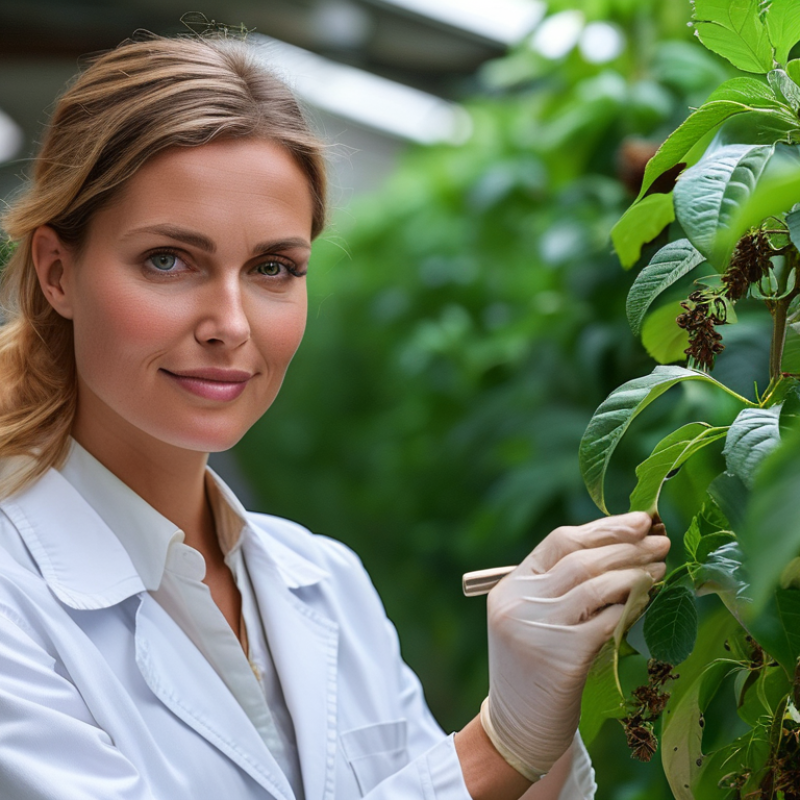
Organic botanical extracts come in many forms. They are derived from plants used in various industries. These extracts offer numerous applications, from skincare to food production. Understanding the types is essential for sourcing. Popular categories include essential oils, herbal tinctures, and powdered extracts. Each type has unique properties and benefits.
For example, essential oils are potent and aromatic. They can be used in aromatherapy and cosmetics. Herbal tinctures are concentrated liquid extracts. They often serve medicinal purposes. Powders, on the other hand, are versatile. They can be incorporated into food and dietary supplements. When sourcing these extracts, consider factors like purity and sustainability. Not all suppliers meet high standards. Some may prioritize profit over quality.
It's critical to research potential suppliers thoroughly. Look for certifications and customer reviews. Authenticity matters. Buyers should also reflect on their specific needs. Understanding which extract fits your application is crucial. Sourcing might not be straightforward. The quality can vary significantly. Always strive for excellence and reliability in your choices. This ensures that the extracts enhance your products effectively.
Finding reliable suppliers for bulk organic botanical extracts poses distinct challenges. According to a recent market analysis, the demand for organic extracts is projected to grow at a CAGR of 10.2% from 2023 to 2030. This growth emphasizes the need for buyers to ensure the authenticity and quality of their sources.
When seeking suppliers, verify their certifications. Look for organic certifications from reputable agencies. This adds credibility. Request samples to assess quality before committing to large orders. Many buyers skip this crucial step, leading to dissatisfaction later on. Consider engaging with suppliers who have transparent sourcing practices.
Tips: Build relationships with suppliers. Regular communication fosters trust and helps address any quality concerns. Understand the supply chain. This knowledge will aid in identifying any potential risks in sourcing. Keep in mind; not all suppliers adhere to best practices. Stay vigilant and proactive in your supplier selection process to ensure positive outcomes.
| Supplier Location | Product Type | Certifications | Minimum Order Quantity (MOQ) | Lead Time | Contact Method |
|---|---|---|---|---|---|
| United States | Chamomile Extract | USDA Organic, ISO 9001 | 100 kg | 2 weeks | |
| India | Turmeric Extract | OEKO-TEX, Fair Trade | 200 kg | 3 weeks | Phone |
| China | Ginseng Extract | GMP, HACCP | 500 kg | 4 weeks | Website Inquiry |
| Brazil | Acai Berry Extract | Kosher, USDA Organic | 150 kg | 3 weeks | Chat Support |
| Egypt | Rose Extract | ISO 22000, Organic | 250 kg | 1 month |
When sourcing organic botanical extracts, quality is paramount. Buyers should evaluate multiple quality standards to ensure they receive the best products. Look for certifications that validate organic practices. These include certifications from recognized authorities. Such certifications ensure that the extracts are free from harmful chemicals.
Tips for assessing quality include organoleptic testing. This involves evaluating the extract's smell, taste, and appearance. Sensory evaluation can highlight inconsistencies that lab tests might miss. Additionally, consider the extraction method used. Cold pressing or steam distillation might yield better qualities than solvent extraction. Understand that every method has pros and cons.
Check for transparency in sourcing practices. Reliable suppliers should provide detailed information about their harvest locations and cultivation methods. Traceability ensures that the extracts conform to quality standards. Balancing quality with cost is often challenging. It’s vital to reflect on what value means in your specific needs. Quality should not be compromised for cheaper substitutes.
Navigating the complexities of legal regulations is essential for importing botanical extracts globally. The market for organic extracts is growing, with research from the Grand View Research reports an expected compound annual growth rate (CAGR) of 10.2% from 2021 to 2028. However, understanding the legal landscape can be a daunting task for many buyers.
Different countries have varied regulations. For instance, the European Union mandates that all botanical extracts comply with the EU Regulation on Novel Foods. This ensures safe consumption but can delay the import process. Additionally, documentation requirements often vary. It is crucial to be prepared for inspections and certifications, as businesses that fail to comply can face significant penalties.
Buyers must also keep abreast of changes in legislation. The herbal product industry is dynamic, with evolving standards. Studies indicate that 30% of businesses encounter regulatory challenges. Ignoring these aspects can lead to costly mistakes. Sustainable sourcing practices are gaining traction, yet the path to certification can be complex. The challenge lies in balancing compliance with the demand for high-quality products.
Building sustainable relationships with botanical extract suppliers is crucial for global buyers.
Trust is the foundation of any partnership. Buyers should engage directly with suppliers.
Open communication fosters transparency. Regular check-ins can clarify expectations.
Understanding each other's goals helps in nurturing the bond.
Choosing suppliers with sustainability practices is essential.
Look for those who prioritize eco-friendly farming techniques. Every step of the supply chain matters.
Ethical sourcing not only benefits the environment but also enhances product quality.
Buyers must also assess the supplier's certifications. This reflects their commitment to quality and sustainability.
Yet, some challenges remain. Not all suppliers maintain consistent quality.
Occasionally, delays in shipments occur. Issues may arise during the negotiation phase.
Having backup options can mitigate risks. Continuous evaluation of supplier performance is key.
Relationships should evolve, adapting to market demands and supplier capabilities.
Regular feedback helps refine processes and strengthen ties.
: Quality is crucial to ensure products are safe and free from harmful chemicals.
Focus on recognized authorities that validate organic practices to guarantee product safety.
Organoleptic testing evaluates smell, taste, and appearance, revealing inconsistencies.
Cold pressing and steam distillation often yield better quality than solvent extraction.
Transparency in sourcing provides details on harvest locations and cultivation methods, ensuring quality compliance.
Balancing quality with cost can be difficult; value should reflect your specific needs.
Countries have varying regulations which can delay imports, necessitating compliance with local laws.
Ensure all documentation is ready as failing to comply can lead to significant penalties.
The herbal product industry is dynamic; changes can lead to costly mistakes.
Achieving certification while ensuring high-quality products requires navigating stringent compliance and standards.
In the quest to understand how to source organic botanical extracts in bulk, it is crucial to begin by familiarizing oneself with the various types and applications of these extracts. This foundational knowledge can guide buyers in identifying reliable suppliers who offer high-quality products. Assessing quality standards is another vital step in the sourcing process, ensuring that the extracts meet the necessary specifications for safety and efficacy.
Moreover, navigating legal regulations related to the global importation of botanical extracts is essential for compliance and smooth transactions. Building sustainable relationships with suppliers can enhance procurement efforts, leading to more consistent quality and supply. Ultimately, mastering these aspects will enable buyers to effectively source organic botanical extracts in bulk while fostering a responsible and ethical approach to procurement.

Kawsana Health