How to Store Bulk Food Supplement Powders?

Time:2026-09-28 Author:Liam
0%

Bulk supplement powders can look stable in a sealed bag, yet humidity, heat, and careless scooping can affect their quality. A damp scoop or a lid left open beside a steaming kettle may introduce moisture. Over time, the powder can clump, change texture, or lose freshness. Small details matter.

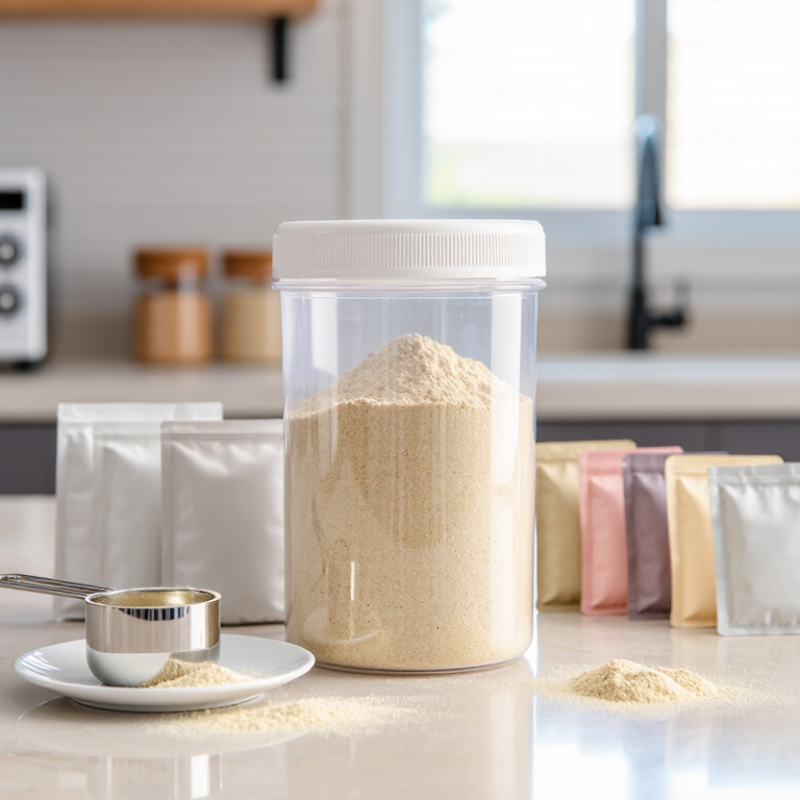
To understand how to store bulk food supplement powders, start with the package label and the supplier’s handling instructions. Transfer powder only when necessary, using a clean, completely dry, food-grade container with a tight-fitting lid. Keep it away from sunlight, ovens, sinks, and other warm or humid areas. Mark the container with the product name and opening date. If the powder develops an unusual odor, visible moisture, or an unexpected change in appearance, do not assume it is still suitable; check the manufacturer’s guidance.

Food microbiologist Dr. Donald Schaffner is an authority on food safety and contamination control, though his work is not specific to supplement storage. A practical paraphrase of relevant food-safety principles is: “Keep handling clean, and keep moisture away.” This is a paraphrase, not a verbatim quotation. Dry storage helps, but it cannot correct poor handling or replace product-specific instructions. I would avoid promising that one container or room temperature suits every powder; ingredients and packaging differ. The careful answer is less tidy, but more dependable: follow the label, seal the container promptly, and inspect the powder before use.
How to Store Bulk Food Supplement Powders?

Classify Powder Risks: Water Activity Below 0.60 Limits Microbial Growth

Bulk supplement powders are often shelf-stable, but storage decisions should start with water activity, not appearance. Water activity (aw) describes water available for microbial use; it differs from total moisture measured by weight. Below 0.60, microbial growth is generally limited. That is a useful benchmark, not a guarantee. Some dry-adapted molds and yeasts can survive, and contamination may still be present without growing.

For incoming lots, use a calibrated water-activity meter when risk, supplier data, or process changes justify testing. Take representative samples; a dry surface can hide damp pockets near seams or clumps. Keep powder in clean, food-grade, tightly closed containers, away from sinks, steam, sunlit windows, and warm walls. Use a dry scoop. Small habits matter. Do not return unused powder to the bulk bin; moisture or crumbs from a scoop can affect the remaining product.

Store opened containers in a cool, stable room and record opening dates, lot numbers, and unusual odors, discoloration, or caking. Caking alone does not prove microbial growth, but it can signal moisture exposure worth investigating. If readings approach or exceed 0.60, isolate the lot and seek qualified quality guidance rather than blending it with dry stock. In practice, perfect humidity control is harder than a storage chart makes it look. Check seals and reassess after humid weather or a room change.

Set Storage Conditions from Product Stability Data, Not a Universal Rule

Bulk supplement powders do not share one ideal storage setting. A vitamin blend, protein powder, and mineral mix may react differently to heat, oxygen, and moisture. Set conditions using stability results for the actual formula and package, not a generic warehouse rule.

ICH Q1A(R2) describes long-term pharmaceutical testing at 25°C/60% relative humidity or 30°C/65% relative humidity, and accelerated testing at 40°C/75% relative humidity for six months. These are test conditions, not automatic storage instructions for food supplements. They can still help teams design stress studies.

Check more than appearance. Track potency, water activity, caking, color, odor, and microbial quality in sealed samples over time. Compare results across realistic warehouse temperatures and humidity levels, including after opening if the product is repeatedly handled.

USP General Chapter <659> defines controlled room temperature for pharmaceuticals as 20–25°C, with permitted excursions from 15–30°C. That is a useful reference, not a universal powder specification.

A small detail matters: a pouch near a warm loading-bay door may experience very different conditions from a cool, dry pallet center. I would not assume the average tells the whole story. Use the stability report to set limits, then verify them with temperature and humidity records at the storage site.

Choose Sealed, Food-Contact Packaging to Limit Moisture Exposure

Bulk supplement powder can cake after a few humid openings, even when the container looks tightly closed. Choose packaging intended for food contact, with a seal that stays intact after opening and a closure that can be fully resealed. The FDA’s 21 CFR 174.5 sets general requirements for substances used in food-contact applications; suitability still depends on the material’s intended use. Ask for documentation covering the actual powder and storage conditions, not just a “food-grade” label. Small detail, big difference.

Check the package’s water-vapor barrier data. ASTM F1249 measures water-vapor transmission through plastic film; results are commonly reported as grams per square meter per day under specified test conditions. Request the test report, including temperature and humidity, and compare options tested under the same conditions. A low number is useful, but it does not guarantee the finished pouch or closure performs equally well. Inspect seals and ask whether the report covers the complete package. Store containers off damp floors, away from sinks, and close them promptly after use. A desiccant may help if appropriate for the formulation, but it cannot repair a weak seal. I would not assume a thicker pouch is always better.

Control Receiving and Storage Under Dietary Supplement CGMP, 21 CFR Part 111

How to Store Bulk Food Supplement Powders?

Control Receiving and Storage Under Dietary Supplement CGMP, 21 CFR Part 111

Bulk powder control starts at the receiving door. Under 21 CFR Part 111, dietary supplement manufacturers need written procedures for receiving, identifying, storing, and handling components. Staff should compare each delivery with purchasing and supplier records, inspect container condition, and record the lot identity and receipt date. Check seals, labels, and shipping damage. A torn liner deserves attention.

Keep materials clearly identified while their quality-control status is pending. Do not treat a supplier document as a substitute for the required examination, testing, or other verification under your procedures. Authorized personnel should document approval or rejection before a component is used. The paperwork can feel repetitive, but missing lot details make an investigation much harder.

Storage conditions should suit the powder and its specifications. Keep containers closed, protected from moisture and contamination, and arranged to prevent mix-ups. For example, a hygroscopic powder near a washdown area may absorb moisture even when its outer drum looks clean. Use monitored temperature or humidity controls when needed, and document excursions and corrective actions. Put it back carefully. A tidy room helps, but it cannot replace written procedures, trained staff, and accurate records.

Track Lots by FEFO and Protect Products During Storage per 21 CFR 117.93

Bulk supplement powders need a storage system that protects both product quality and lot identity. Under 21 CFR 117.93, storage and distribution must protect food from contamination and deterioration. Keep bags sealed, raised off the floor, and away from walls where moisture or pests may collect. Use clean, dry areas with suitable temperature and humidity controls when needed. A powder can look fine while absorbing moisture. That detail is easy to miss.

Record each lot’s code, receipt date, and storage location. Rotate stock by FEFO: use the lot with the earliest expiration date first, not simply the oldest delivery. Check labels before picking, and separate damaged or damp containers for assessment. Keep allergen-containing materials clearly identified and arranged to prevent cross-contact. These habits support traceability, though records are only useful when staff update them promptly.

Tips: Mark opened bags with the opening date and reseal them tightly after each use. Keep a simple temperature and humidity log where conditions matter. Inspect corners, pallets, and seals during routine checks. Small gaps happen; review them honestly and correct the process.

FAQS

What does water activity measure in a powder?

It measures water available for microbial use, not total moisture by weight.

Does a reading below 0.60 guarantee a powder is safe?

No. Microbial growth is generally limited below 0.60, but contamination may still be present. Some dry-adapted molds and yeasts can survive.

How should incoming powder be checked?

Use a calibrated water-activity meter when risk, supplier information, or process changes justify testing. Take representative samples; damp pockets can hide near seams or clumps.

What is a practical way to store opened powder?

Keep it tightly closed in a cool, stable room, away from sinks, steam, sunlight, and warm walls. Use a dry scoop.

Should unused powder go back into the bulk container?

No. Moisture or crumbs on the scoop can affect the remaining powder. Small habits matter.

Does caking mean the powder has microbial growth?

Not by itself. Caking can signal moisture exposure, so check the container and investigate unusual changes.

What should staff do if a reading approaches or exceeds 0.60?

Isolate the lot and seek qualified quality guidance. Do not blend it with dry stock.

What details should be recorded during receiving and storage?

Record lot identity, receipt and opening dates, container condition, and any unusual odors or discoloration. A neat room helps, but records still matter.

Conclusion

Knowing how to store bulk food supplement powders starts with understanding each powder’s risks and stability data. A water activity below 0.60 limits the growth of many microorganisms, but it does not replace good handling practices. Set temperature, humidity, and other storage conditions according to product-specific stability information rather than applying one rule to every ingredient or finished product.

Use clean, sealed packaging intended for food contact to reduce exposure to moisture and other contaminants. At receiving, check product condition, packaging integrity, and lot information, then maintain appropriate controls during storage in line with applicable dietary supplement CGMP requirements under 21 CFR Part 111. Organize inventory by lot and use a first-expired, first-out approach so products are used before their expiration dates. Protect stored goods from damage, contamination, and unsuitable environmental conditions, consistent with applicable storage practices under 21 CFR 117.93.

Liam

Liam

Liam is a dedicated marketing professional with a profound expertise in the industry, where he excels at highlighting the unique advantages of our core products. With a keen understanding of market trends and consumer needs, Liam frequently updates our company’s professional blog, providing......