Top 10 Side Effects of Dietary Supplements You Should Know?

Time:2026-07-25 Author:Sienna
0%

Dietary supplements are increasingly popular for enhancing health and wellness. However, many users overlook one crucial aspect: what are the side effects of dietary supplements? Understanding these effects is essential to make informed choices. While supplements can offer benefits, they may also cause unwanted reactions in some individuals.

Common side effects include digestive issues, headaches, and allergic reactions. Some may experience fatigue or mood changes. These effects can arise from ingredients or improper dosing. It's important to remember that supplements can interact with medications, amplifying risks.

Additionally, not all products are well-regulated. Quality can vary significantly among brands. Users must consider their unique health conditions and consult healthcare professionals before adding supplements to their routines. Awareness and education on potential side effects can empower individuals to use dietary supplements safely and effectively.
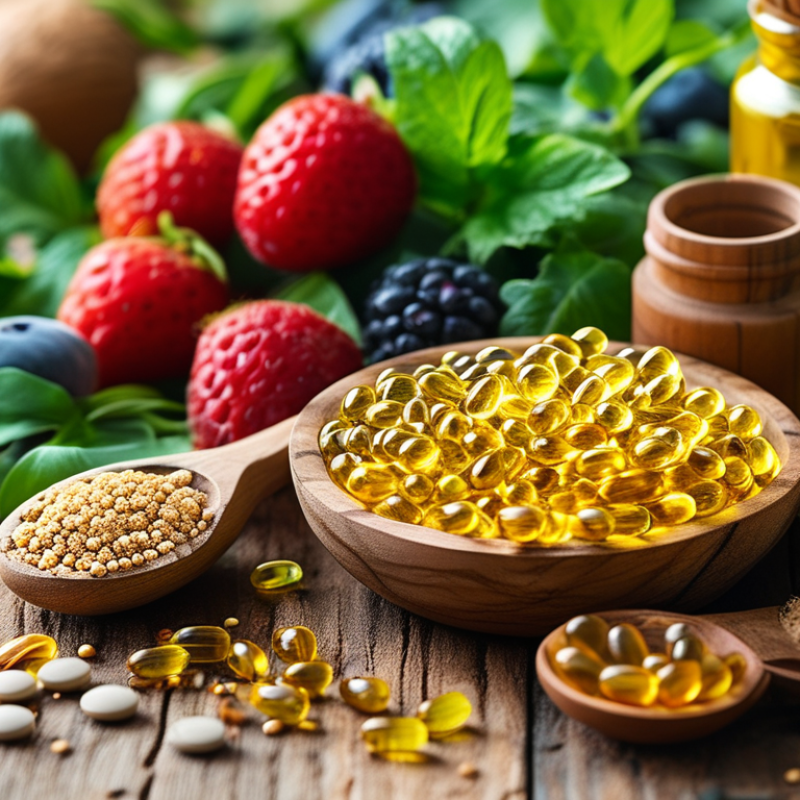
Top 10 Side Effects of Dietary Supplements You Should Know?

Understanding Dietary Supplements: A Brief Overview

Understanding dietary supplements is crucial in today’s health-conscious society. These products, including vitamins, minerals, herbs, and amino acids, are widely used to enhance health. According to the National Institutes of Health, nearly 70% of adults in the U.S. take some form of dietary supplement. This high usage underscores the importance of understanding their effects and potential risks.

Many people assume that all supplements are safe simply because they are labeled "natural." However, this is a misconception. Research published in JAMA found that approximately 23,000 emergency room visits annually in the U.S. are due to dietary supplement-related adverse effects. Common issues include gastrointestinal disturbances and interactions with prescription medications. Consumers often overlook these risks. They may feel confident about their choices, yet lack comprehensive knowledge about ingredient safety.

Moreover, the quality of dietary supplements can vary significantly. A study conducted by the U.S. Pharmacopeia showed that nearly 30% of supplements do not contain the ingredients listed on their labels. For many, this presents an unsettling reality. When relying on supplements for health, individuals need to be educated consumers. Misinformation can lead to poor health outcomes, highlighting the necessity for informed decision-making.

Top 10 Side Effects of Dietary Supplements You Should Know

Side Effect Description Commonly Associated With
Nausea Feeling of sickness with an inclination to vomit. Iron supplements, multivitamins
Headaches Continuous pain in the head. Caffeine, certain herbal supplements
Diarrhea Frequent, loose, or watery bowel movements. Magnesium, some herbal laxatives
Insomnia Difficulty falling or staying asleep. Stimulant-based supplements, some herbs
Allergic Reactions Immune response resulting in symptoms such as rash, itching. Fish oil, shellfish-derived supplements
Increased Heart Rate Feeling of a racing or pounding heart. Caffeine, weight loss supplements
Fatigue Feeling of tiredness or weakness. Vitamin D overdose, iron depletion
Stomach Upset Discomfort in the stomach or abdomen. Probiotics, supplements containing fiber
Kidney Damage Reduced function of the kidneys. High doses of creatine, certain herbal remedies

Common Ingredients in Dietary Supplements and Their Functions

Dietary supplements are popular for enhancing health. Many people use them without understanding the ingredients. Here are some common components found in these products.

Vitamins like C and D play essential roles. Vitamin C supports immune function. It also acts as an antioxidant. Vitamin D aids calcium absorption, benefiting bone health. Minerals such as magnesium are crucial for muscle and nerve function. They help regulate blood pressure, too.

Herbal ingredients are common in supplements. For instance, ginseng is believed to boost energy. It may also improve mental focus. However, not all herbal remedies are well-studied. Some can interact with medications, leading to unwanted side effects. Omega-3 fatty acids are often included for heart health. They can reduce inflammation, but excess amounts may pose risks.

Understanding these ingredients is vital. While they may offer benefits, the potential risks deserve attention. Many people overlook their body's unique response to these supplements. It’s important to approach them with caution and awareness.

Potential Side Effects: What Science Says About Dietary Supplements

Dietary supplements are often seen as a quick fix for health needs. However, potential side effects can arise. Many people overlook these risks, assuming that natural means safe. This misconception can lead to issues that are not immediately apparent.

Research shows that some supplements can cause adverse reactions. For example, high doses of vitamins can lead to toxicity. Meanwhile, herbal supplements may interact unpredictably with medications. Symptoms can range from mild digestive upset to more severe outcomes like liver damage. It's crucial for users to approach supplementation with caution and knowledge.

Understanding that not all supplements are guaranteed to be safe is vital. Even products labeled as "natural" can carry risks. Engaging in open discussions with healthcare professionals about supplements can provide clarity. A balanced diet should be the primary focus, with supplements as an adjunct rather than a substitute. Knowledge is power, especially when it comes to health.

Identifying Risk Factors for Adverse Reactions to Supplements

When considering dietary supplements, identifying risk factors for adverse reactions is crucial. Each supplement has specific compounds that can cause unexpected effects. Individuals with pre-existing health conditions should be particularly cautious. For instance, people with diabetes might face risks when taking certain herbal supplements, which can affect blood sugar levels.

Additionally, age and gender can play significant roles in how supplements are tolerated. Older adults may process substances differently due to metabolic changes. Pregnant women must exercise additional caution, as some ingredients can harm fetal development. Consulting healthcare professionals before starting any supplement regimen is vital.

It's essential to educate oneself about potential allergies, interactions, and side effects. Not all supplements are well-studied. In some cases, people take too many at once, increasing the likelihood of adverse reactions. Keeping a detailed record of all supplements and changes in health can help in assessing risks effectively. This proactive approach fosters a safer experience with dietary supplements.

Top 10 Side Effects of Dietary Supplements

Guidelines for Safe Use of Dietary Supplements: A Practical Approach

Dietary supplements can offer benefits, but they also come with potential risks. According to the National Institutes of Health, about 50% of American adults take dietary supplements daily. Awareness of side effects is crucial for safe use. Reports indicate that supplements can lead to adverse reactions ranging from digestive issues to more severe complications such as liver damage. The lack of strict regulations allows some products to be marketed without sufficient evidence of safety.

Understanding how to use dietary supplements safely is essential. It's advisable to consult healthcare professionals before starting a new supplement. Studies show that around 30% of supplement users do not disclose their intake to their physicians. This can lead to dangerous interactions, especially with prescription medications. Keeping a detailed record of what supplements are taken can help track reactions and ensure informed discussions with healthcare providers.

Consider each supplement's source. Products from reputable manufacturers are more likely to be safe. Independent testing by third-party organizations may provide additional assurance. However, even with this knowledge, users should approach supplements with caution. The complexity of individual health conditions makes it vital to remain vigilant about side effects, personal responses, and ongoing research. Understanding that dietary supplements are not a substitute for a balanced diet can help shape healthier lifestyles.

FAQS

:

re all dietary supplements safe to use?

What are common side effects of dietary supplements?

Common issues include gastrointestinal disturbances and possible interactions with medications.

How prevalent are emergency room visits due to supplements?

Approximately 23,000 emergency room visits occur annually in the U.S. related to dietary supplements.

Why is the quality of dietary supplements a concern?

Nearly 30% of supplements may not contain the ingredients listed on their labels.

Who should be cautious when taking dietary supplements?

Individuals with pre-existing health conditions and pregnant women should exercise caution.

How can age affect supplement tolerance?

Older adults may metabolize substances differently due to physiological changes.

What is a crucial step before starting a supplement regimen?

Consulting healthcare professionals is vital for safe and informed use.

Should supplement use be disclosed to doctors?

Yes, nearly 30% of users do not disclose their supplement intake, risking dangerous interactions.

What helps track health changes associated with supplements?

Keeping a detailed record of all supplements and health changes is beneficial.

Can dietary supplements replace a balanced diet?

No, supplements are not a substitute for a balanced diet and healthy lifestyle.

Conclusion

Dietary supplements have gained popularity for their potential health benefits, yet they come with risks that consumers should be aware of. Understanding what dietary supplements are is crucial, as they often contain a variety of common ingredients like vitamins, minerals, herbs, and amino acids, each serving different functions in the body. However, it is essential to ask what are the side effects of dietary supplements. Research indicates that potential side effects can range from mild gastrointestinal discomfort to more severe reactions, depending on individual health conditions and interactions with other medications.

Identifying risk factors is vital for preventing adverse reactions, as certain populations may be more susceptible to side effects. To ensure safe usage, users should follow practical guidelines, such as consulting healthcare professionals before starting any new supplement regime and paying close attention to recommended dosages. By being informed and cautious, individuals can make better decisions about incorporating dietary supplements into their lifestyle.

Sienna

Sienna

Sienna is a skilled marketing professional with a deep expertise in our company’s core products and services. With a passion for innovation and detail, she plays a pivotal role in crafting insightful blog posts that not only highlight the unique features of our offerings but also provide valuable......