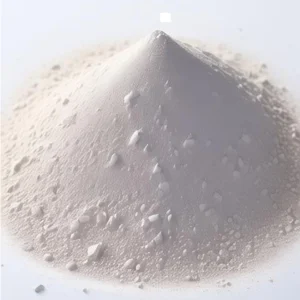
Modern pharmaceutical intermediates (PIs) are the backbone of the API (Active Pharmaceutical Ingredient) industry. Global demand is shifting toward complex, chiral, and high-purity precursors that require rigorous GMP documentation.
The global intermediates market is expanding rapidly, driven by the rise of chronic diseases and the need for personalized medicine. Manufacturers are now integral partners in the CDMO (Contract Development and Manufacturing Organization) value chain.
Advancements in continuous flow chemistry and biocatalysis are redefining efficiency, allowing for greener production cycles and lower impurity profiles in high-value chemicals.
China has transitioned from a high-volume producer to a high-quality innovator. Here is why global pharma leaders choose China top pharmaceutical intermediate factories:
From basic petrochemicals to sophisticated complex intermediates, China’s industrial parks provide unparalleled proximity to raw materials, reducing lead times by up to 40% compared to international competitors.
Leveraging advanced automation and large-scale synthesis reactors (up to 10,000L), Chinese factories offer cost structures that enable pharmaceutical firms to manage their R&D budgets effectively while maintaining stringent quality.
Leading factories in regions like Shanxi and Jiangsu are fully aligned with FDA, EMA, and PMDA standards, providing complete DMF (Drug Master File) support and technical dossiers for global filings.
Shanxi Kawsana Health Co., Ltd. is a professional manufacturer and global supplier of natural botanical extracts, herbal ingredients, and functional health products. With more than 10 years of industry experience, we are committed to providing high-quality plant-based ingredients and comprehensive OEM/ODM solutions for customers worldwide.
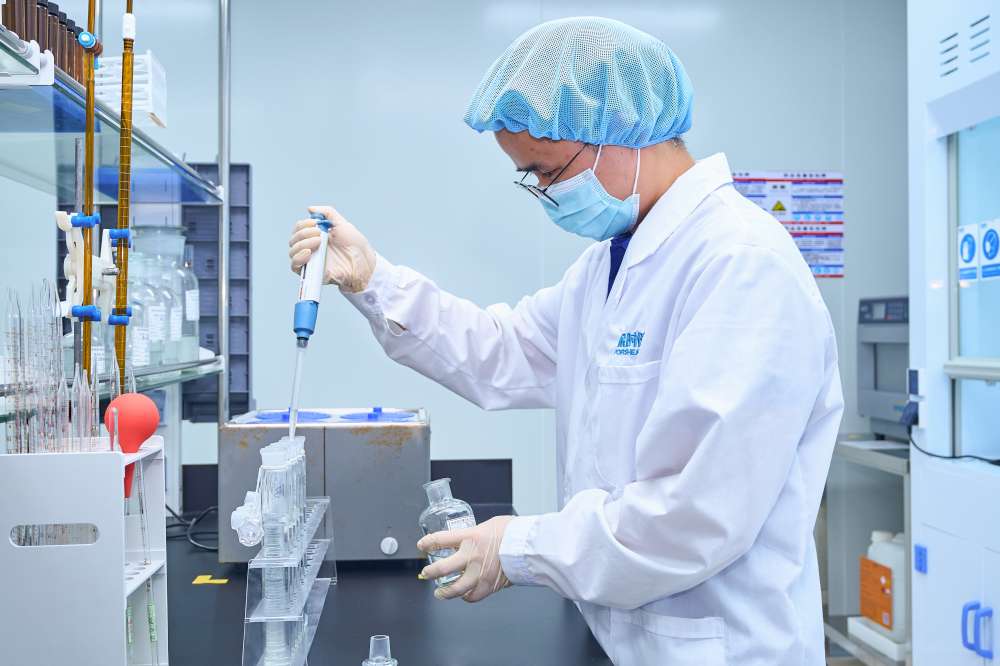
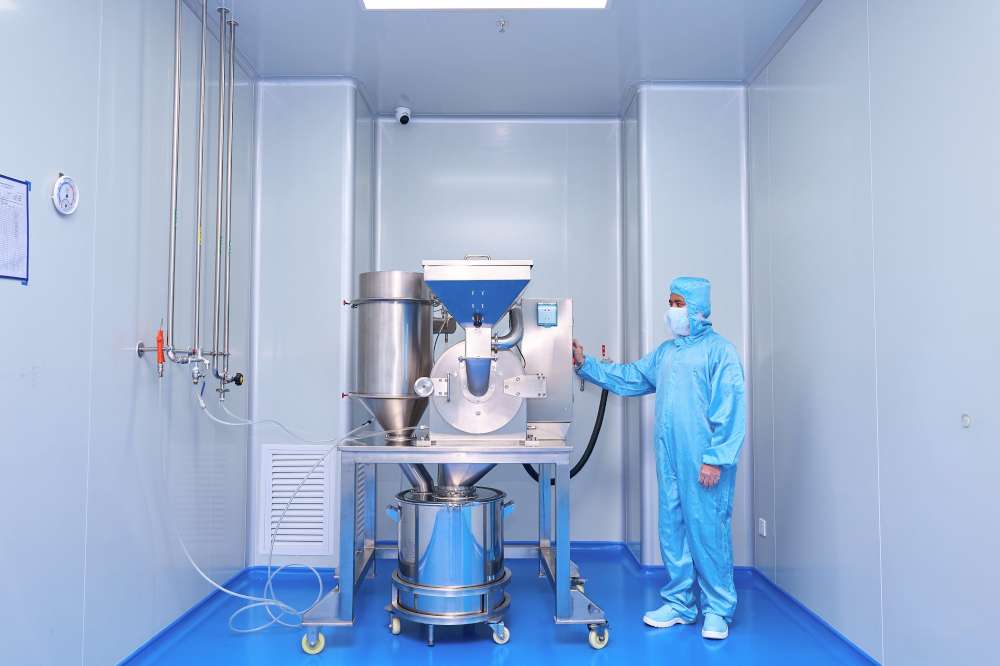
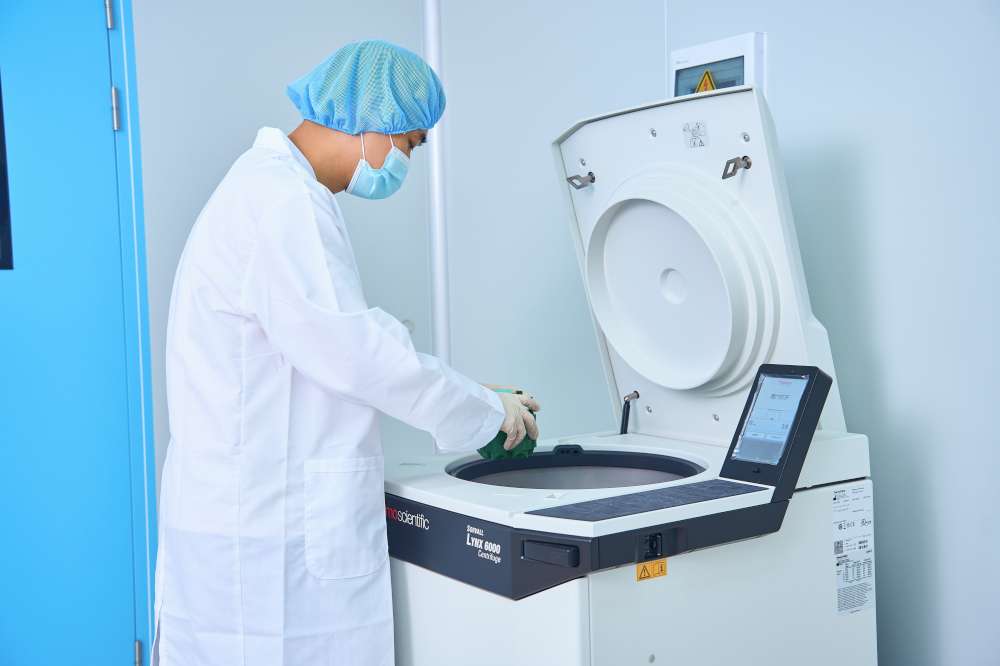
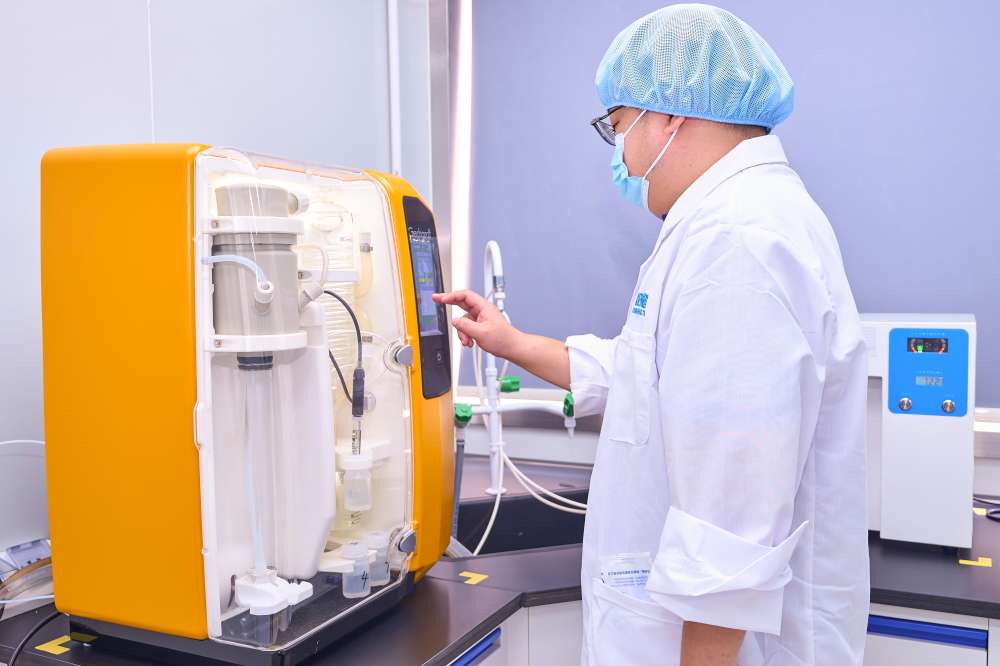
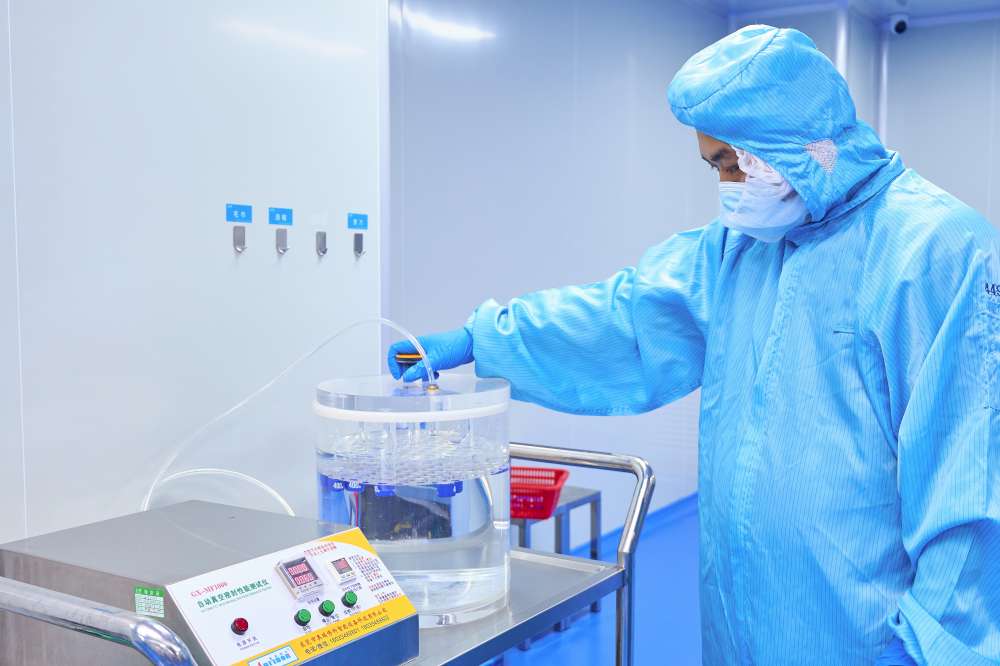
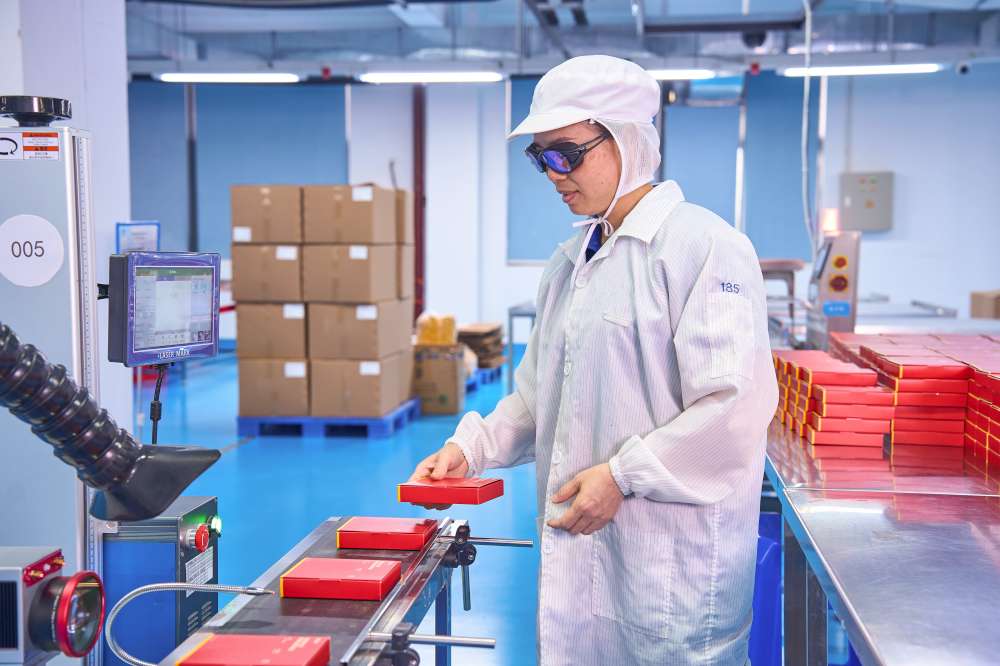
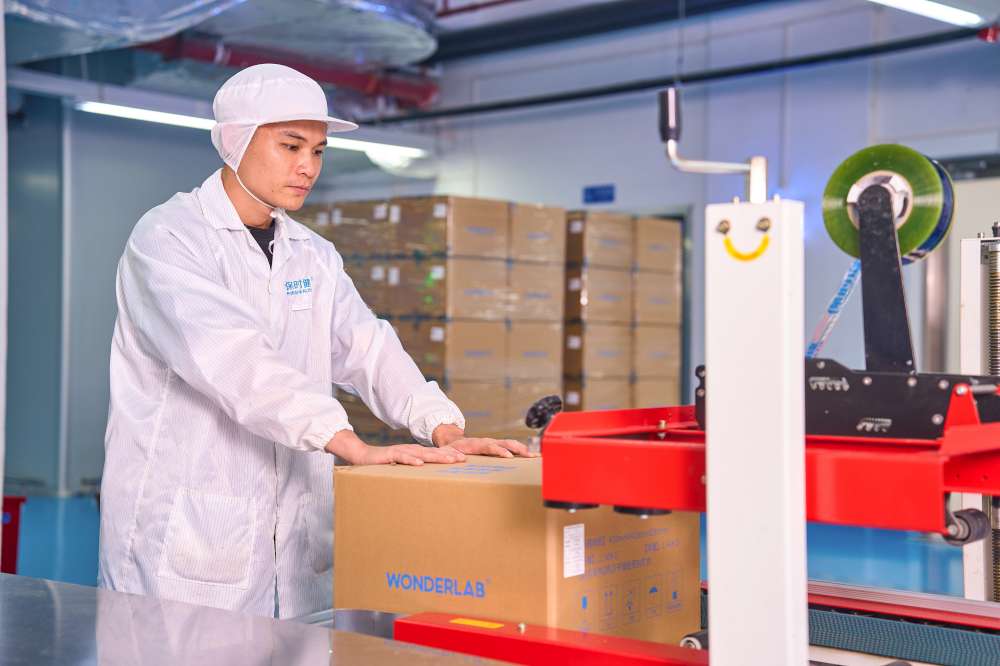
Located in Shanxi Province, China, our company operates modern production facilities equipped with advanced extraction, purification, concentration, and drying technologies. Our GMP-compliant manufacturing workshop covers over 12,000 square meters, supported by a 600-square-meter R&D and Quality Control Center.
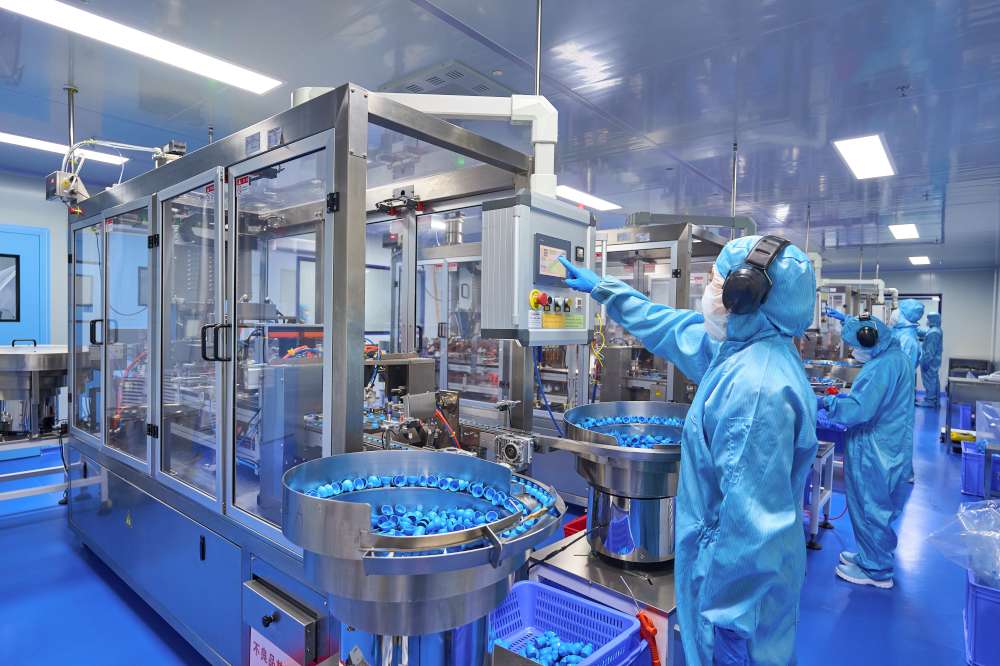
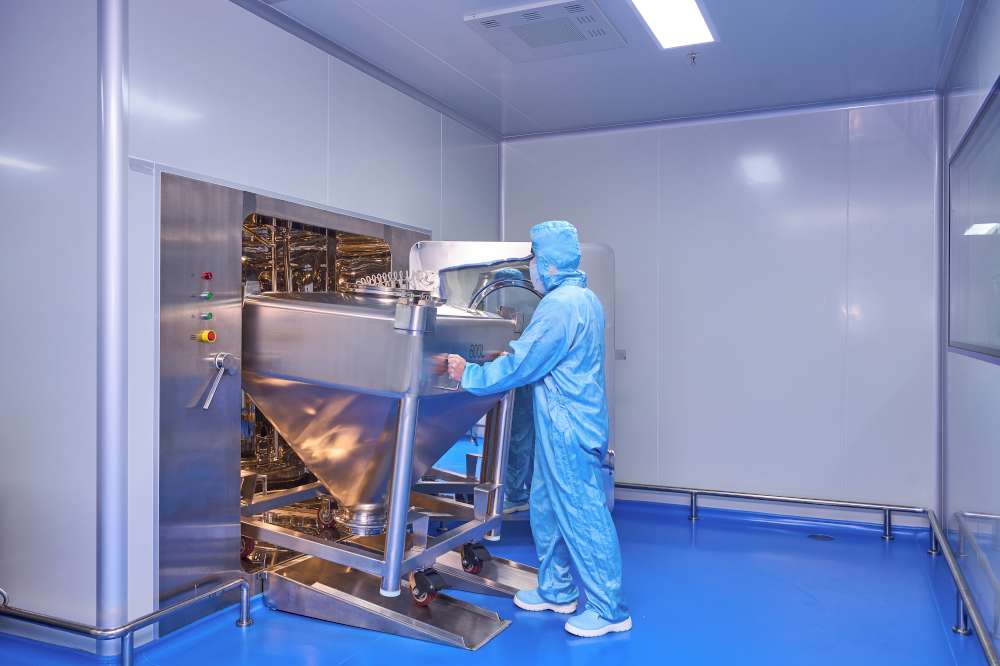
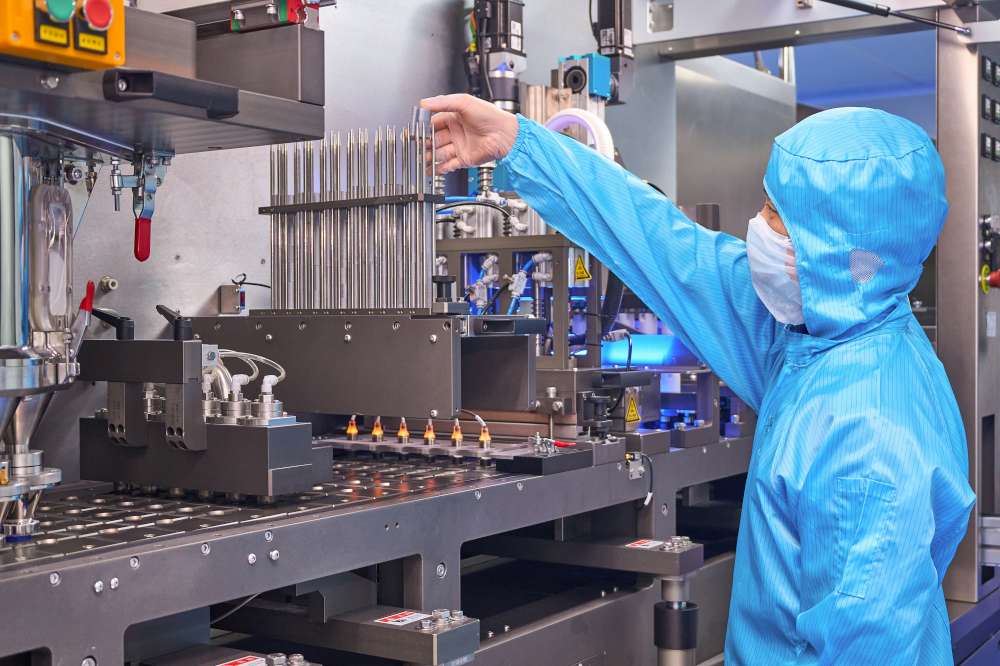
The industry is moving toward solvent-free reactions and enzymatic processes to minimize environmental impact, a trend heavily supported by China’s "Double Carbon" policy.
Machine learning models are now used to predict reaction outcomes and optimize catalytic pathways, significantly shortening the development cycle of new intermediates.
Just-in-time (JIT) manufacturing is being replaced by "China + 1" strategies, where Chinese factories act as the primary, high-reliability hub for global stock.
Q: What is the typical lead time for custom intermediate synthesis in China?
A: For established processes, lead times generally range from 4 to 8 weeks. For R&D stage custom synthesis (kilogram scale), it typically takes 8-12 weeks including pilot testing and impurity profiling.
Q: How do you ensure the consistency of intermediates for regulated markets?
A: We implement a strict Change Control System. Any modification in the raw material source or process parameters is validated and documented. Each batch is accompanied by a comprehensive COA (Certificate of Analysis) using HPLC/GC testing.
Q: Can you provide intermediates for both small molecules and peptide synthesis?
A: Yes, our facility handles a wide range of chemical synthesis, including protected amino acids for peptide synthesis and complex precursors for small molecule APIs like Valine and Diosmectite derivatives.
Q: Do you support audit requests from international pharmaceutical companies?
A: Absolutely. We welcome both on-site and remote video audits. Our facility is GMP-compliant and we maintain transparent quality management records to satisfy international regulatory requirements.
 Kawsana Health