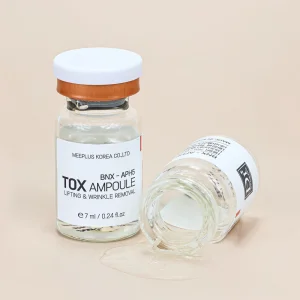
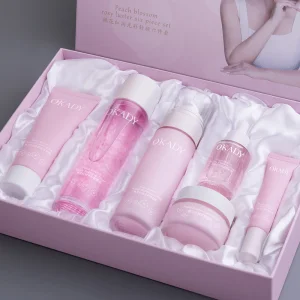
Optimized transdermal active complexes engineered to thrive in the demanding Portuguese dermo-cosmetic market.
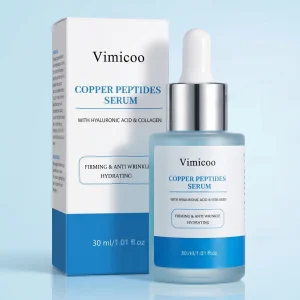
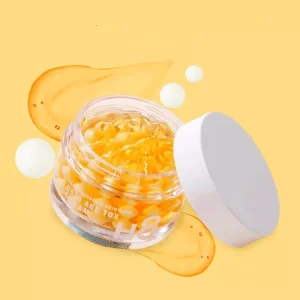
The Metropolitan Area of Lisbon, spanning from the corporate corridors of Oeiras Valley to the advanced scientific labs at the University of Lisbon's Faculty of Pharmacy, is undergoing a rapid evolution in cosmeceutical development. Historically renowned for maritime-inspired therapeutics, Lisbon has now emerged as a competitive European hub for clinical skincare, aesthetic rejuvenation, and clean-tech skincare formulation.
With Portugal experiencing over 2,800 hours of intense sunshine annually alongside high coastal humidity, Lisbon’s demographic exhibits distinct photo-aging challenges, structural barrier degradation, and hyperpigmentation patterns. This unique regional microclimate has catalyzed a localized demand for highly specialized active ingredients: stable Copper Peptides (GHK-Cu) for dermal remodeling, ocean-derived PDRN (Polydeoxyribonucleotide) for cellular repair, and high-purity antioxidants such as Astaxanthin to combat UV-induced cellular degradation.
Consequently, local compounding pharmacies, aesthetic clinics in Central Lisbon, and contract manufacturers across Portugal are seeking high-efficiency global supply partners who can deliver clinical-grade, EU-compliant actives that offer measurable transdermal performance.
Climate-induced Demands: High UV indices and coastal salt winds accelerate lipid barrier damage, calling for biomimetic barrier-repair peptides and moisture-locking sodium hyaluronate.
Clinical Aesthetic Shifts: A rapid increase in minimally invasive procedures (microneedling, laser resurfacing) across Lisbon clinics demands sterile, non-irritant, biotechnology-derived repair serums (PDRN + EGF).
Green & Bio-Tech Fusion: Conforming to Portugal's growing preference for natural-origin ingredients combined with clinical efficacy, requiring sustainably synthesized bio-fermented ingredients.
Mapping the transition from surface hydration to epigenetic cellular reprograming actives.
Scientific literature increasingly focuses on PDRN (Polydeoxyribonucleotide) extracted from salmon DNA. This nucleotide mixture stimulates adenosine A2A receptors, promoting cell migration, capillary microcirculation, and anti-inflammatory signaling. It is the premier active for post-treatment skin recovery in European aesthetic medicine.
Recombinant peptides, such as Acetyl Hexapeptide-8 (Argireline) and Copper Tripeptide-1 (GHK-Cu), mimic natural skin signaling cascades. They act as collagen boosters by stimulating extracellular matrix proteins, effectively softening micro-wrinkles without paralyzing facial expressions.
With European Green Deal initiatives, manufacturers are steering away from petrochemical synthetic bases. Astaxanthin, derived from haematococcus pluvialis microalgae, provides up to 6,000 times the antioxidant capacity of Vitamin C, helping to protect cellular DNA from oxidative damage.
For Lisbon exporters and cosmetics brands, maintaining stable margins while complying with stringent European cosmetics mandates is a critical operational bottleneck. Shanxi Kawsana Health Co., Ltd. bridge this gap by combining state-of-the-art Chinese biotechnology infrastructure with localized compliance services.
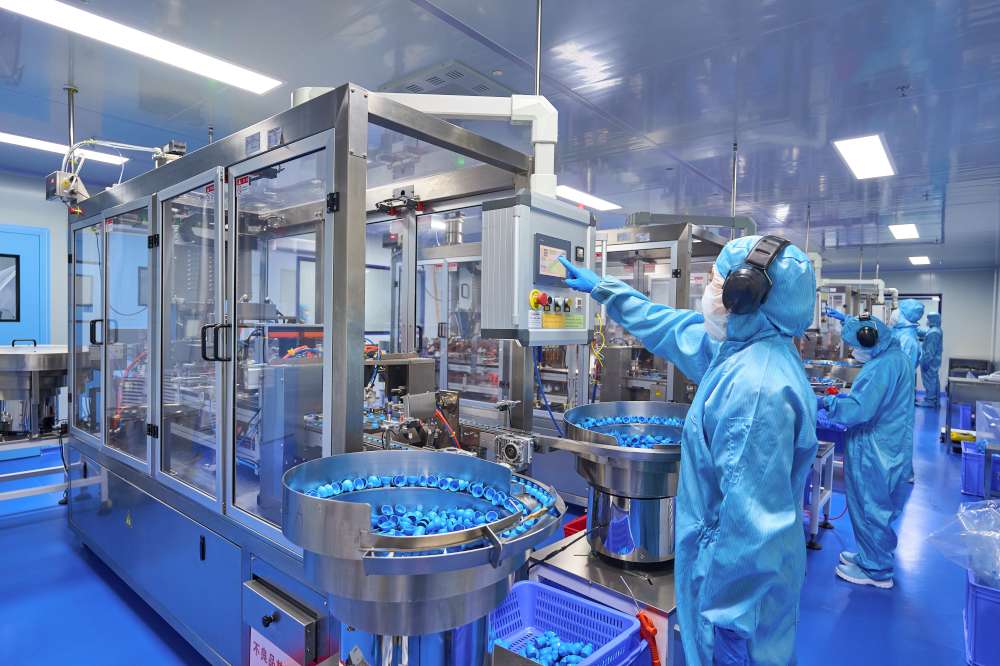
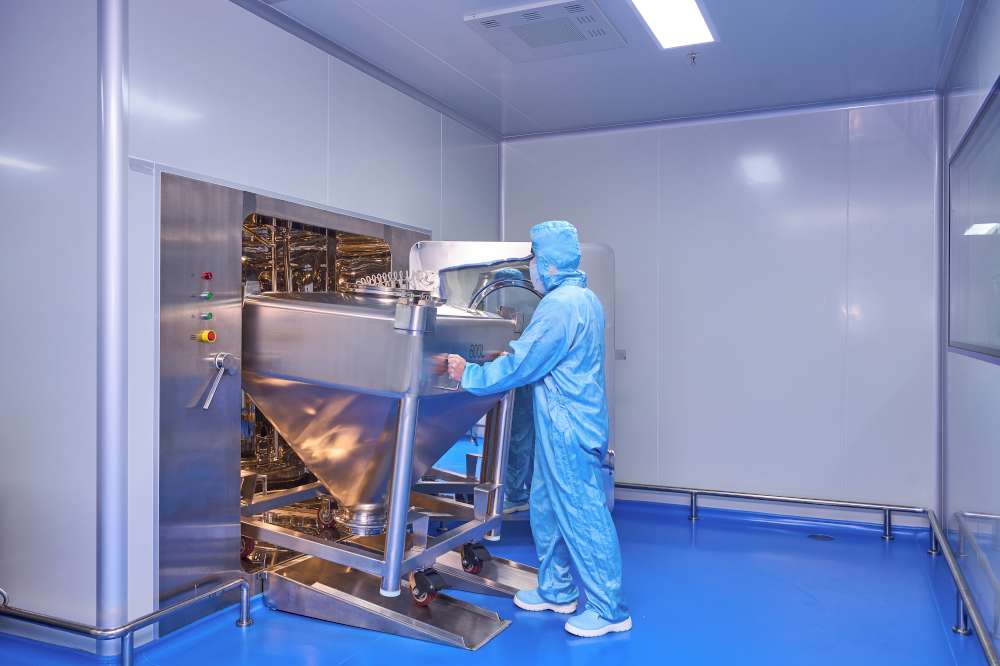
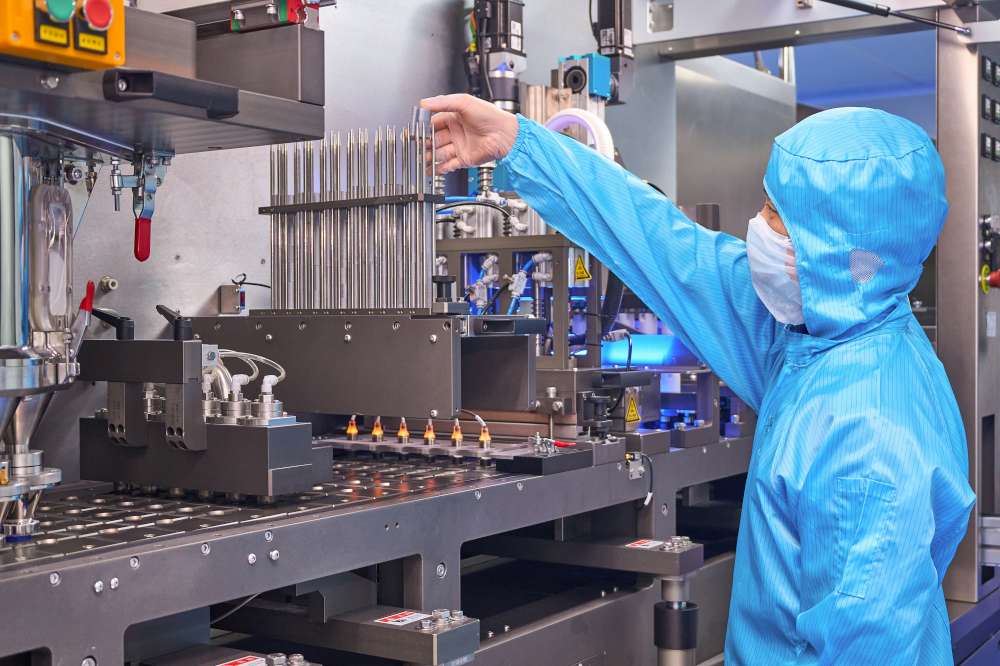
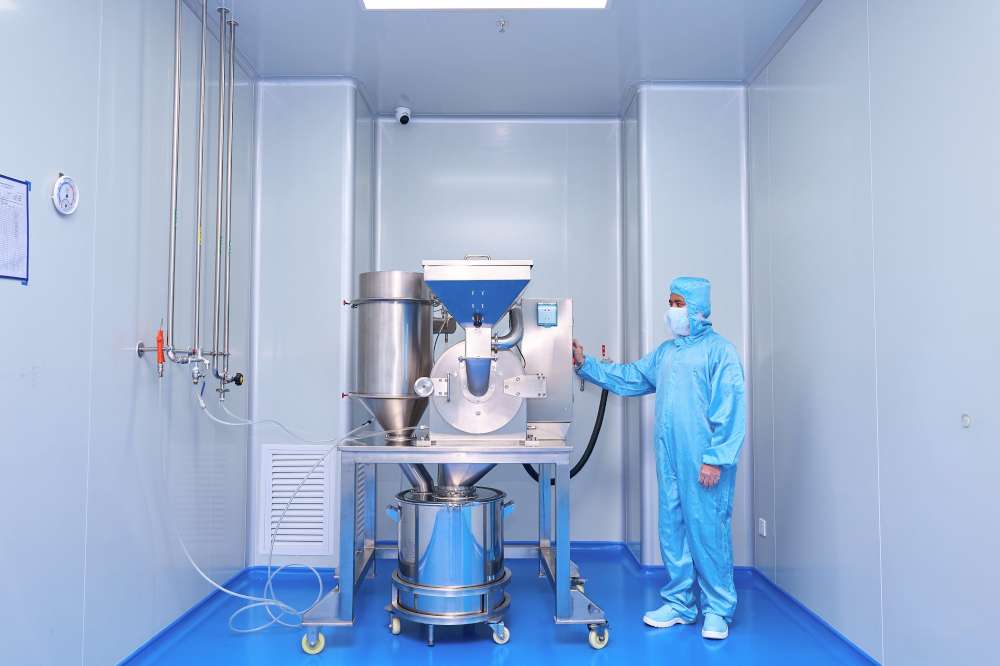
Our modern manufacturing facility located in Shanxi, China, spans over 12,000 square meters and operates in full compliance with GMP standards. By leveraging local botanical and mineral resources in central China alongside scale-efficiency manufacturing protocols, we supply premium active cosmetic ingredients at a cost-performance ratio that cannot be matched by localized European synthesizers.
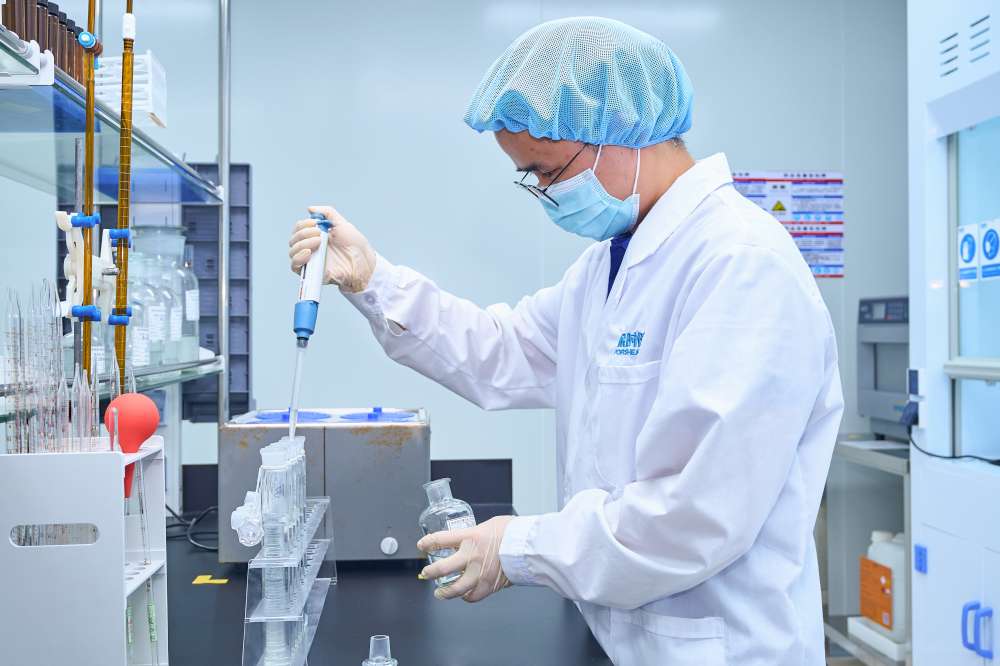
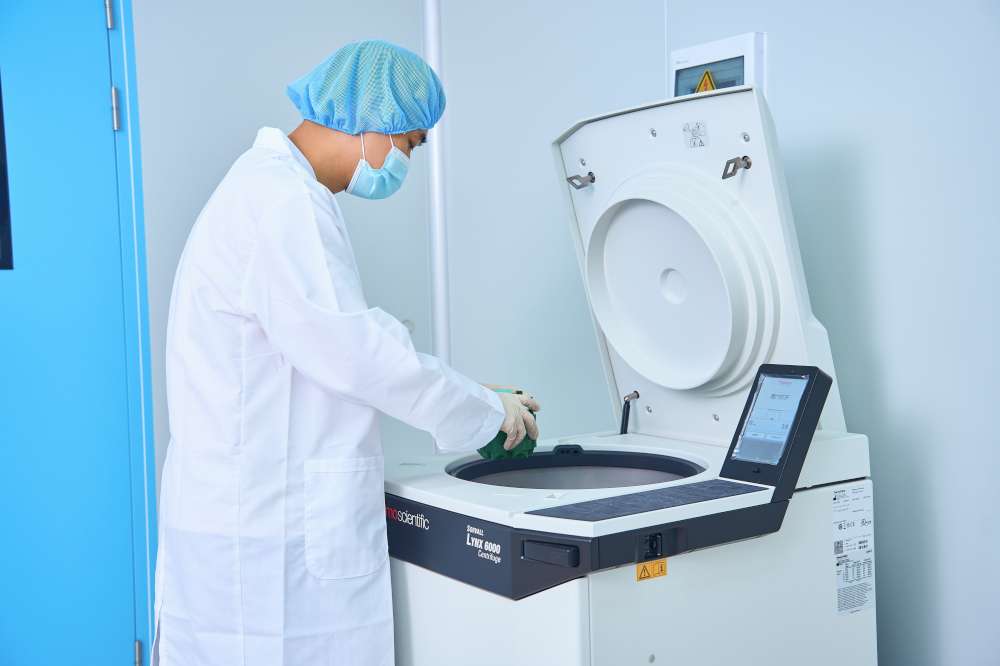
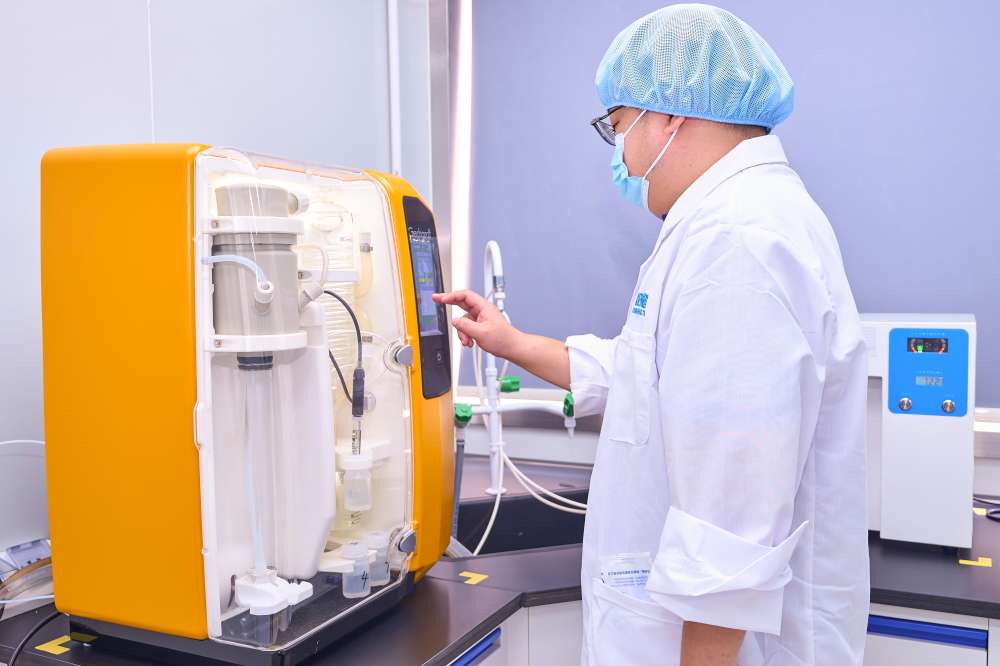
Every step—from raw material extraction using advanced supercritical fluid carbon dioxide (sCO2) to vacuum low-temperature spray drying—is managed under rigorous Quality Control standards. Our dedicated 600-square-meter R&D and Quality Control Center is equipped with state-of-the-art high-performance liquid chromatography (HPLC), gas chromatography (GC), and atomic absorption spectroscopy (AAS) to guarantee batch-to-batch consistency and the elimination of heavy metal and microbiological trace impurities.
Ensuring frictionless imports and compliance with European Cosmetics Regulation (EC) No 1223/2009.
We assist our Lisbon partners in compiling the necessary Product Information Files (PIF) and provide complete chemical ingredient breakdowns to simplify registration on the European Cosmetic Product Notification Portal (CPNP).
Our shipping department manages logistics directly to the Port of Lisbon (Porto de Lisboa) or Humberto Delgado Airport, handling all customs clearance documentation to minimize port delays.
In line with European sustainability targets, we offer bulk packaging options using highly recyclable aluminum canisters, biodegradable drums, and inert glass packaging to maintain active integrity.
Bridging bio-fermentation, microencapsulation, and green chemistry to supply the next generation of anti-aging active ingredients.
At Shanxi Kawsana Health Co., Ltd., our R&D roadmap focuses on improving the stability and transdermal bioavailability of fragile active molecules. Traditional topical applications of peptides and vitamins often suffer from rapid oxidation and low penetration through the stratum corneum. To resolve this, our engineering pipeline integrates two primary technology platforms:
Q3 2025: Launch of plant-derived exosome platforms mimicking cellular signal vesicles for advanced skin renewal.
Q1 2026: Introduction of next-generation oligopeptide-24 variations designed specifically for high-SPF formulation environments.
Q4 2027: Establishing direct local storage facilities in Southern Europe to enable 48-hour delivery times for core customers in Lisbon and Madrid.
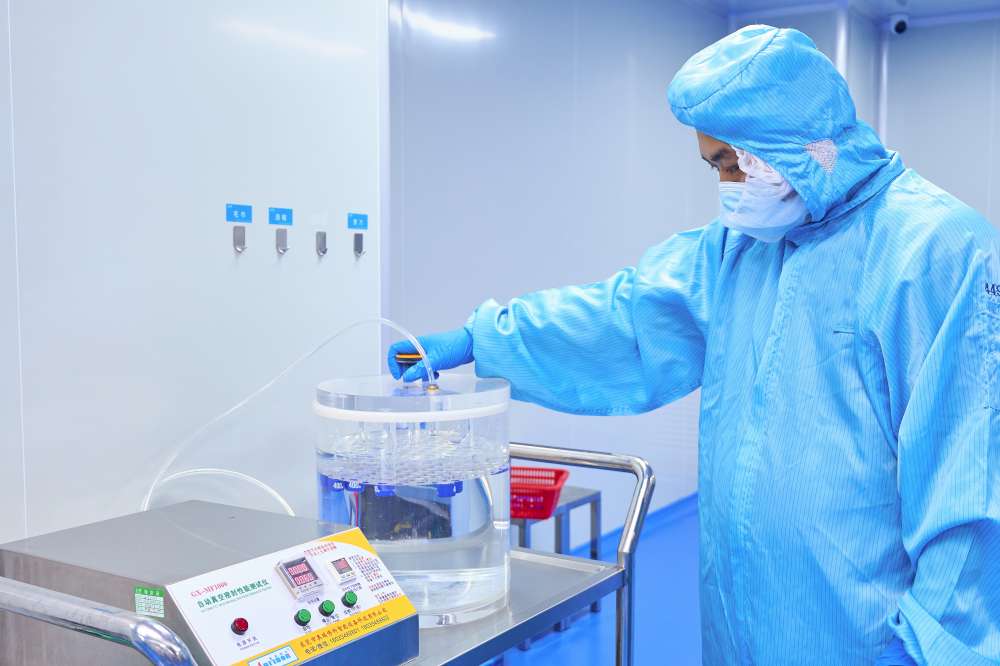
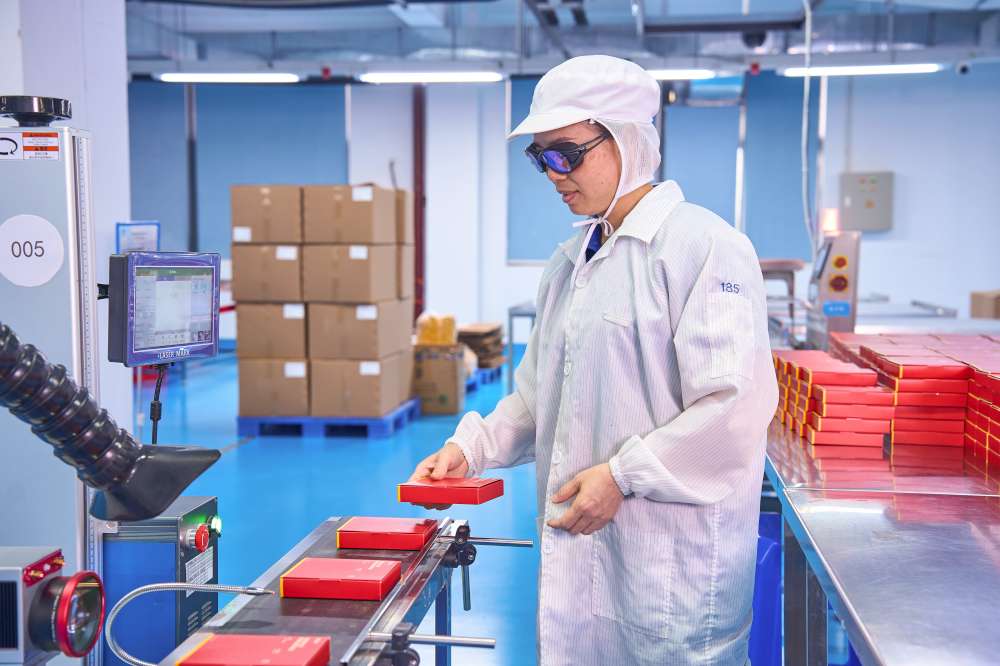
Transparent insight into our GMP-compliant testing, formulation adjustment, and automatic filling lines in Shanxi.

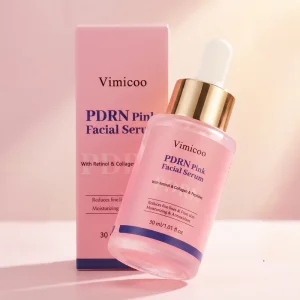
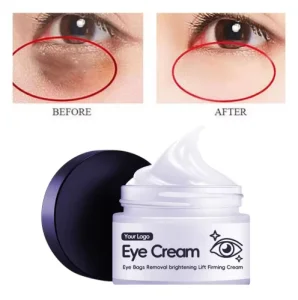
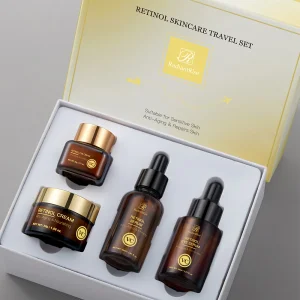
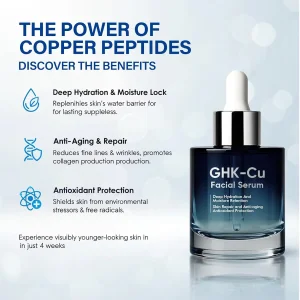
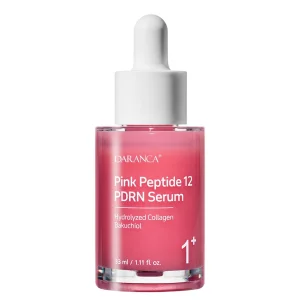
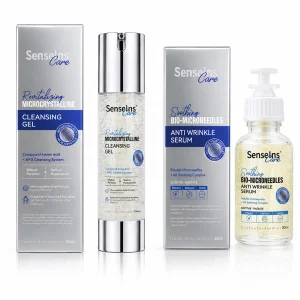
Explore our full selection of clinical-grade anti-aging serums, peptide complexes, and post-treatment recovery systems, available for direct export to Lisbon.

Technical clarifications on stability, efficacy, and procurement of anti-aging skincare active compounds.
Polydeoxyribonucleotide (PDRN) consists of purified deoxyribonucleotide polymers extracted from salmon germ cells. On a cellular level, PDRN acts as an selective agonist for the Adenosine A2A Receptor. This interaction initiates a signaling cascade that down-regulates inflammatory cytokines (such as TNF-alpha and IL-6) while stimulating VEGF (Vascular Endothelial Growth Factor) to promote microvascular regeneration. Furthermore, it feeds the salvage pathway of DNA synthesis, providing raw nucleotides to accelerate dermal cell repair and fibroblasts activation, leading to increased collagen and elastin deposition.
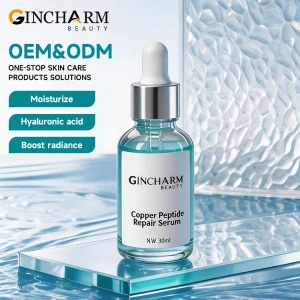
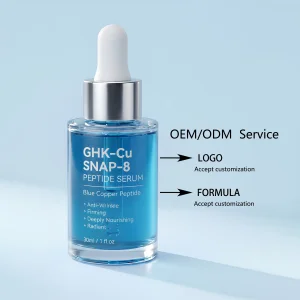
GHK-Cu is a carrier peptide that chelates copper ions. Its primary degradation pathways include oxidation, peptide hydrolysis, and ion replacement (which causes the signature blue color to shift to green or yellow). We prevent this degradation by maintaining strict pH controls (specifically between 5.5 and 6.5) and by incorporating natural chelators that prevent copper from detaching from the tripeptide chain. Additionally, we offer microencapsulation options to protect GHK-Cu from interactions with co-actives in the formula.
Every batch of active cosmetic ingredients we export to Lisbon undergoes comprehensive quality testing. We provide detailed Material Safety Data Sheets (MSDS), Certificate of Analysis (COA) specifying active concentration percentages, and heavy metal limits (Lead < 10ppm, Arsenic < 2ppm, Mercury < 1ppm) and microbiological tests (aerobic count < 100 CFU/g, pathogens absent). Our documentation supports the Safety Assessor in finalizing the Product Safety Assessment Report (PSAR) required for European marketing.
Highly sensitive antioxidants like Astaxanthin and Retinol are vulnerable to thermal and photo-degradation. We package these raw materials in airless, nitrogen-flushed, amber-tinted aluminum containers. Under recommended storage conditions (sealed, cool, dry, 2–8°C), our actives maintain a verified shelf life of 24 months. For maritime transit to Lisbon, we recommend temperature-controlled reefers to maintain molecular stability.
For standard bio-active raw materials, the MOQ is 1kg. For custom OEM formulations (e.g., custom encapsulated peptide complexes or specific PDRN serum profiles), our MOQ starts at 50kg, or 5,000 units for finished clinical-use ampoules. The production lead time is typically 15 to 20 days after formulation approval, followed by 3 to 5 days for air cargo dispatch, or approximately 30 days for sea freight shipments to Portugal.
Request detailed HPLC assay reports, safety dossiers, and volume pricing sheets optimized for Lisbon-based developers.
Send Inquiry Now Kawsana Health