Kawsana Health
1 / 5
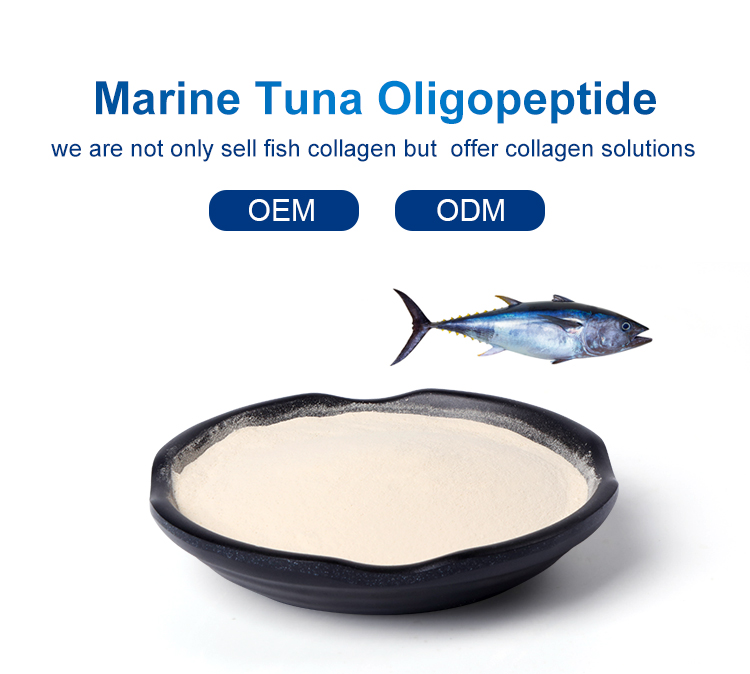
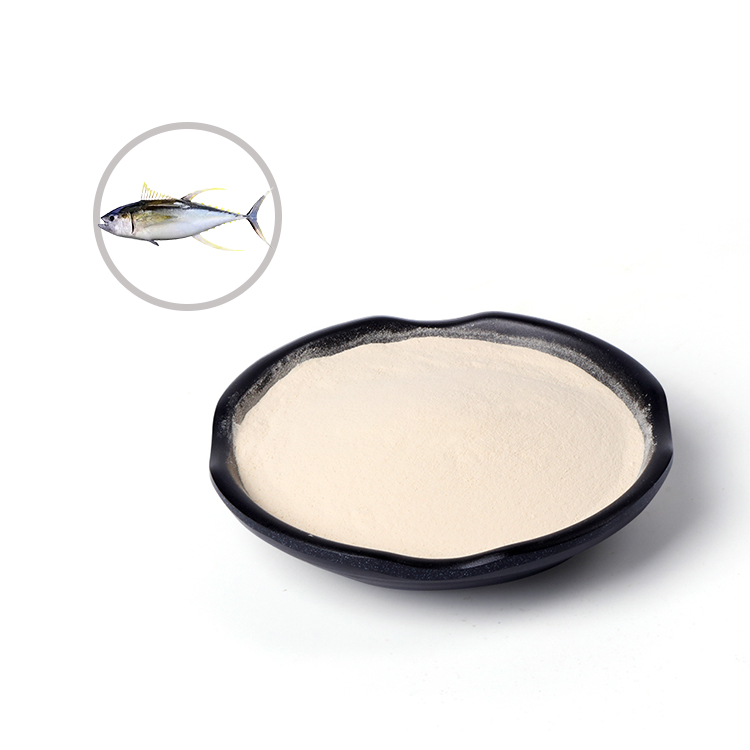
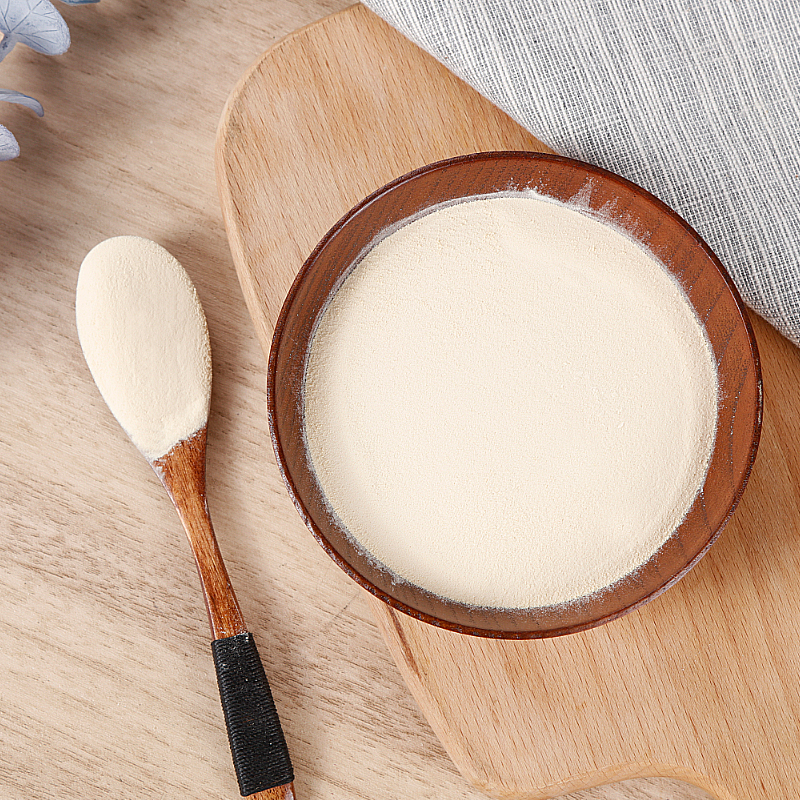
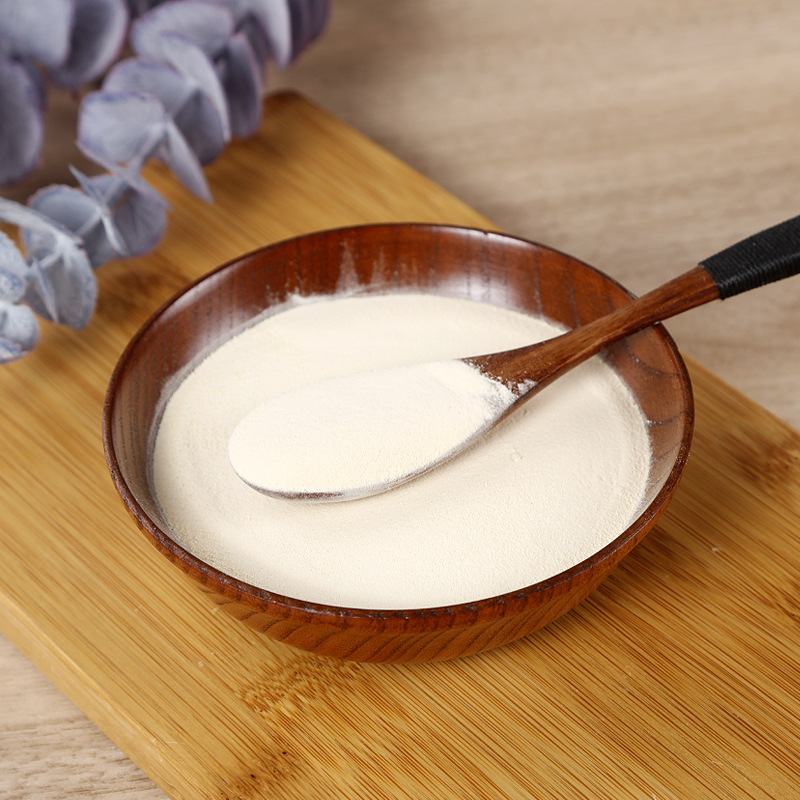
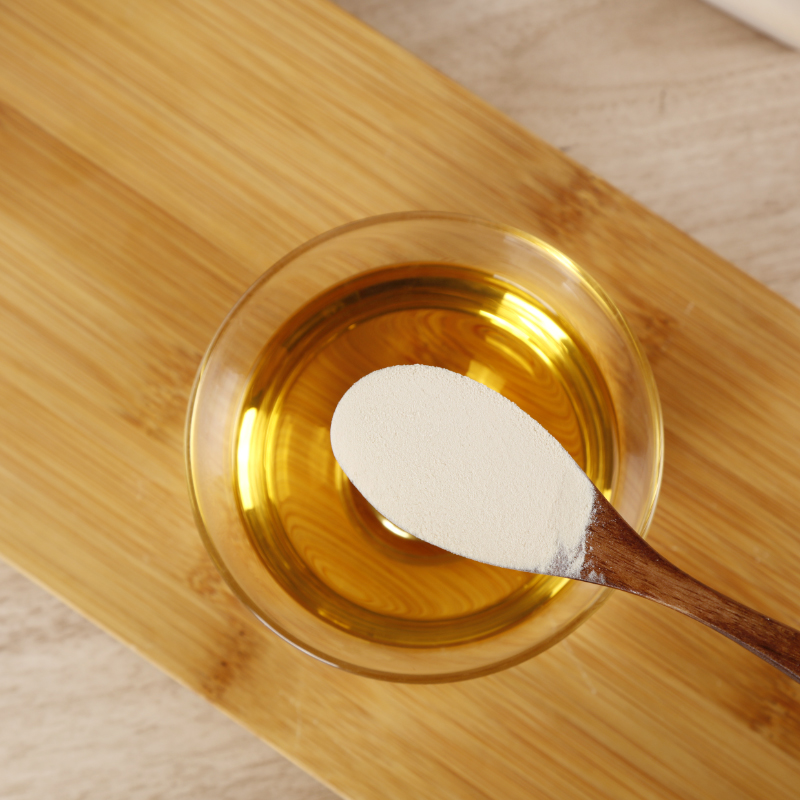
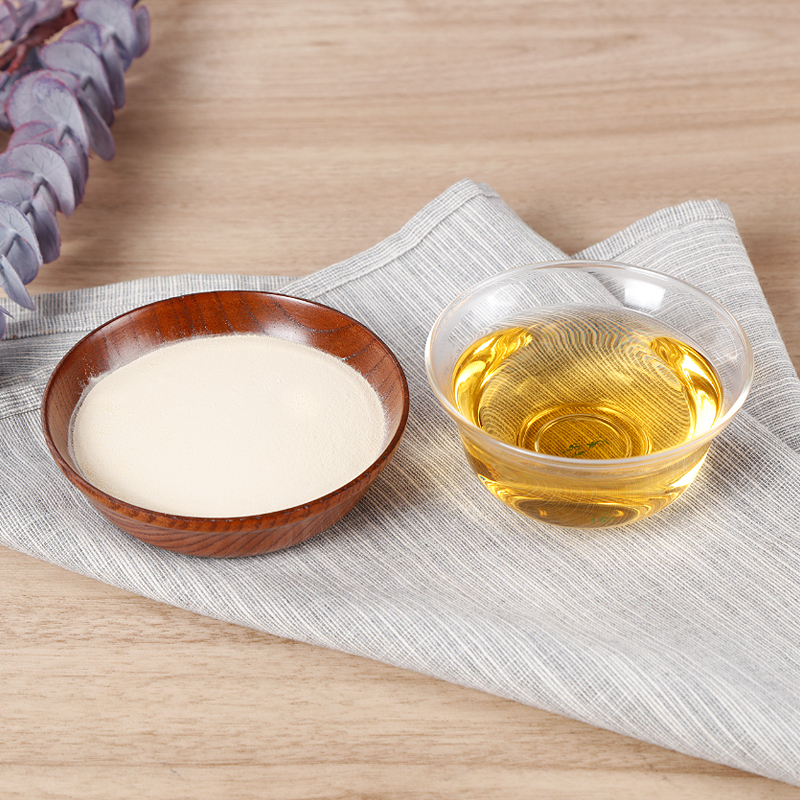
Tuna meat as raw material is refined through compound enzymatic hydrolysis, purification, and spray drying. It features small molecules that are highly bioavailable and easy to absorb.
| Item | Claim |
|---|---|
| Latin Name | Tuna Oligopeptide |
| Color | White, light yellow |
| Odor | Has the inherent smell and taste of this product |
| Organizational Form | Solid powder, uniform without agglomeration |
| Impurities | No external impurities visible to the naked eye |
| Item | Claim |
|---|---|
| Peptide content (%) | ≥ 55.0 |
| Protein (%) | ≥ 80.0 |
| Moisture (%) | ≤ 7.0 |
| Lead (mg/kg) | ≤ 8.0 |
| Item | Sample Plan | |||
|---|---|---|---|---|
| n | c | m | M | |
| Total Plate Count | 5 | 2 | 1000 | 50000 |
| E. Coli | 5 | 2 | 10 | 100 |
| Salmonella | 5 | 0 | 0 | -- |
| Staphylococcus aureus | 5 | 1 | 100 | 1000 |
| Mold | ≤ 50 | |||
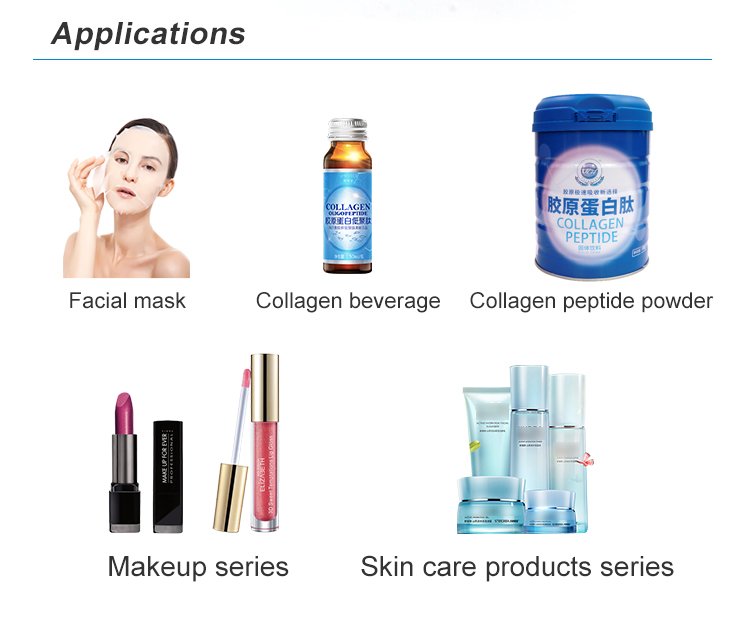
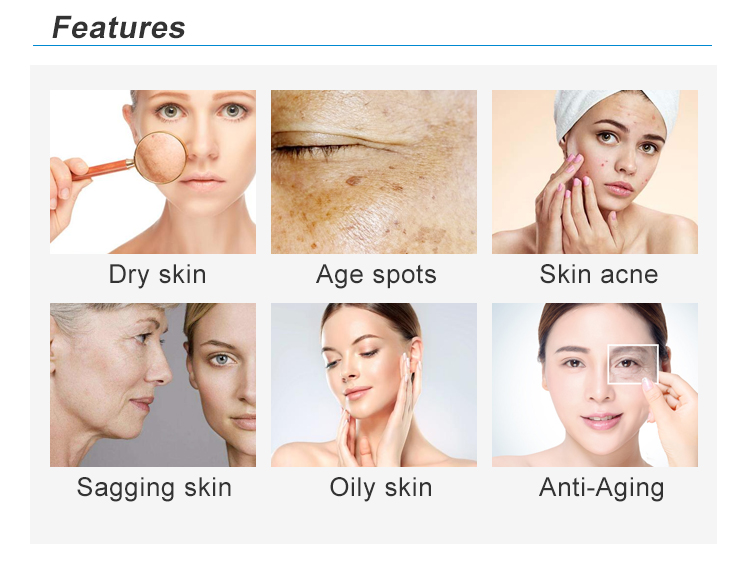
Our premium peptide powder is ideally suited for functional foods, health products, dietary supplements, clinical nutrition, and cosmetics formulation.
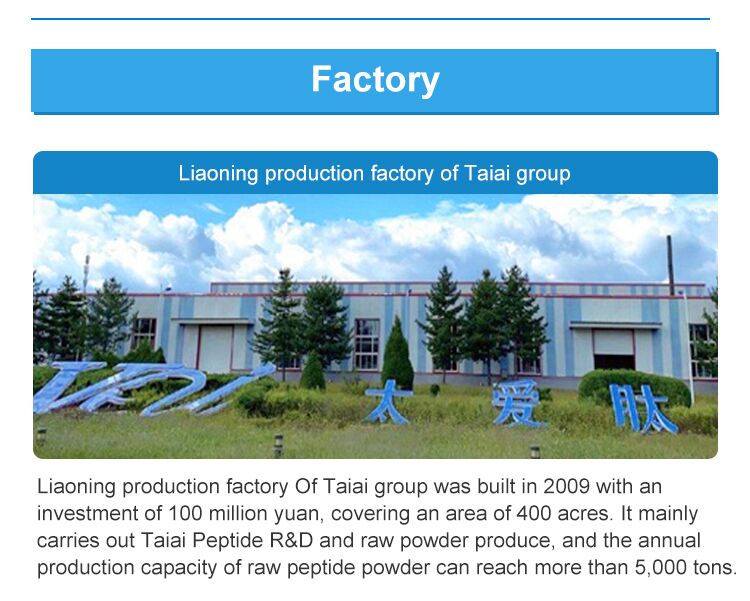
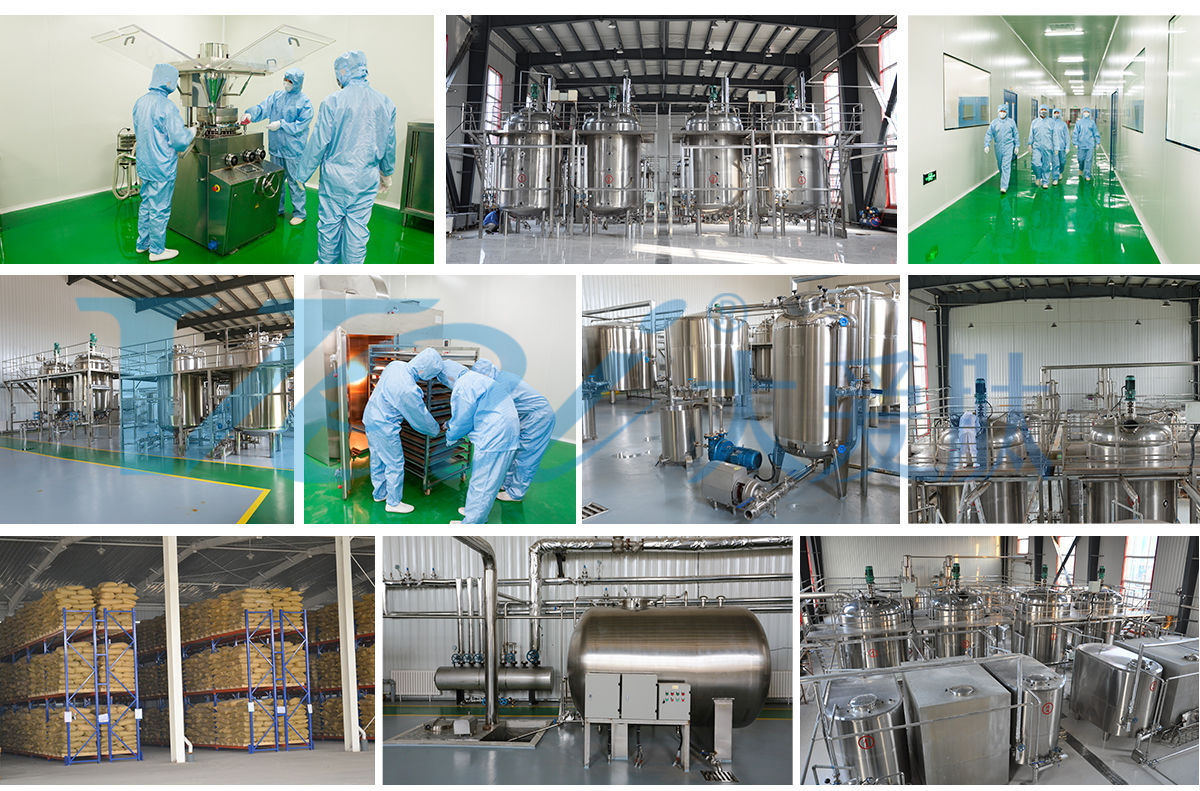
Liaoning Production Base: Built in 2009 with an investment of 100 million yuan, covering an area of 400 acres. It focuses on peptide R&D and raw powder manufacturing, achieving an annual capacity of over 5,000 tons.
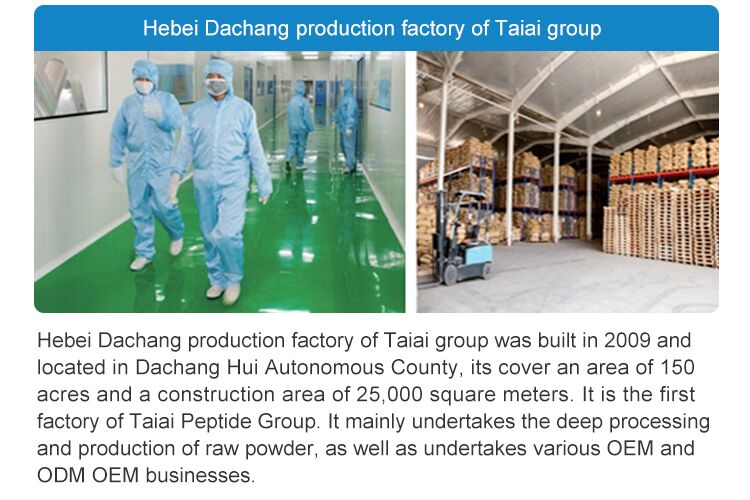
Hebei Dachang Production Base: Established in 2009, covering 150 acres with a 25,000-square-meter facility. It serves as our core plant for deep processing, raw powder output, and OEM/ODM services.
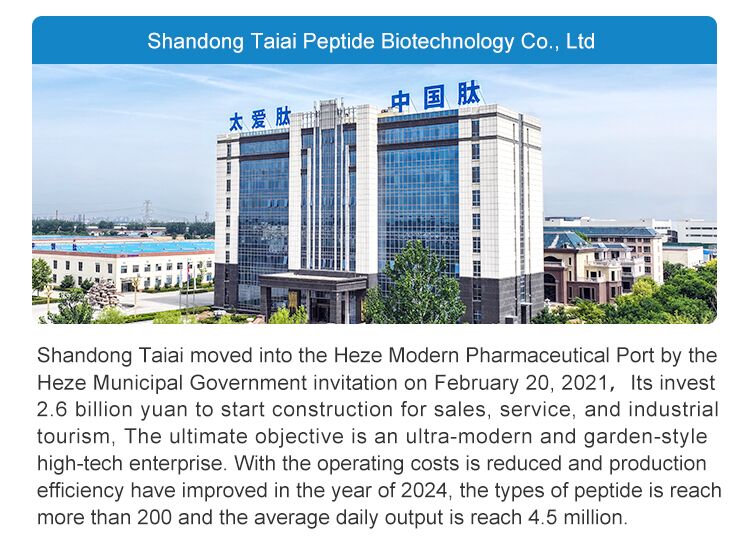
Shandong Production Base: Located inside the Modern Pharmaceutical Port, this ultra-modern, garden-style high-tech facility represents a 2.6 billion yuan investment. With enhanced production efficiency, it accommodates over 200 peptide types and averages a daily output of 4.5 million units.