What is kaolin, and what are its primary applications?
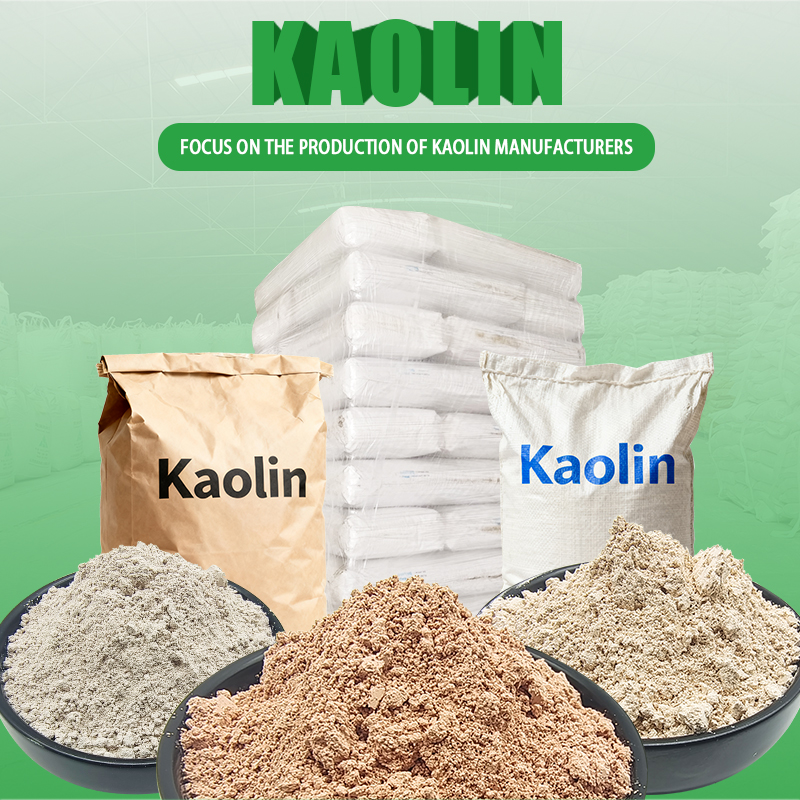
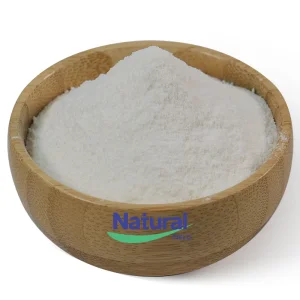
Kaolin is a white, clay-like mineral composed mainly of kaolinite. It is widely used in ceramics, paper, paints, coatings, plastics, rubber, and environmental protection (e.g., wastewater treatment) due to its excellent whiteness, chemical stability, and adsorption properties.
What quality standards should I look for when importing kaolin?
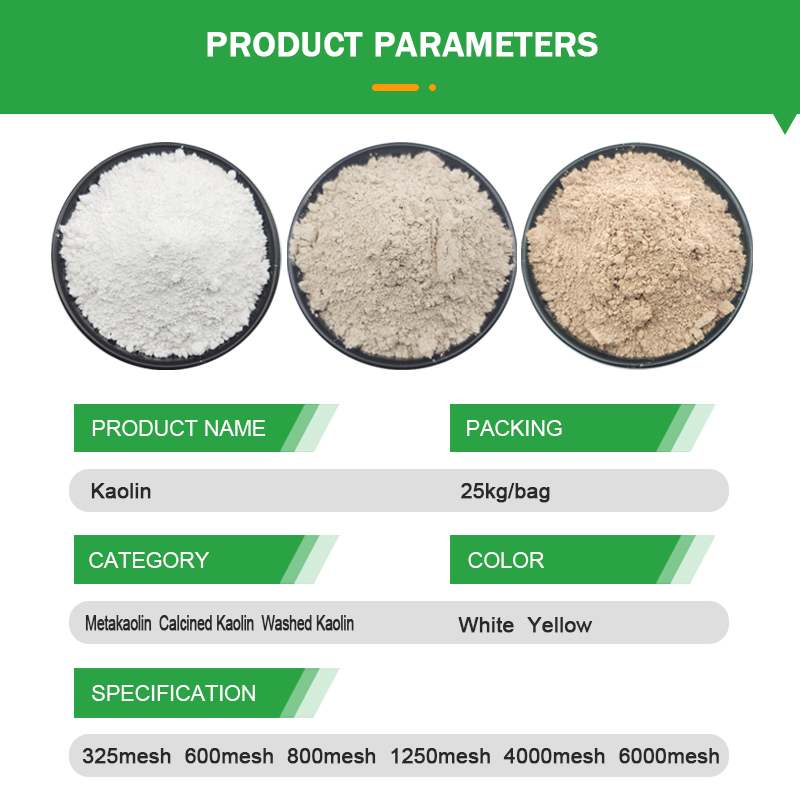
Key parameters include whiteness (brightness ≥85%), particle size distribution (D50), chemical purity (low iron and titanium oxide levels), and moisture content (typically <1% for calcined kaolin).
How is kaolin packaged for international shipping?
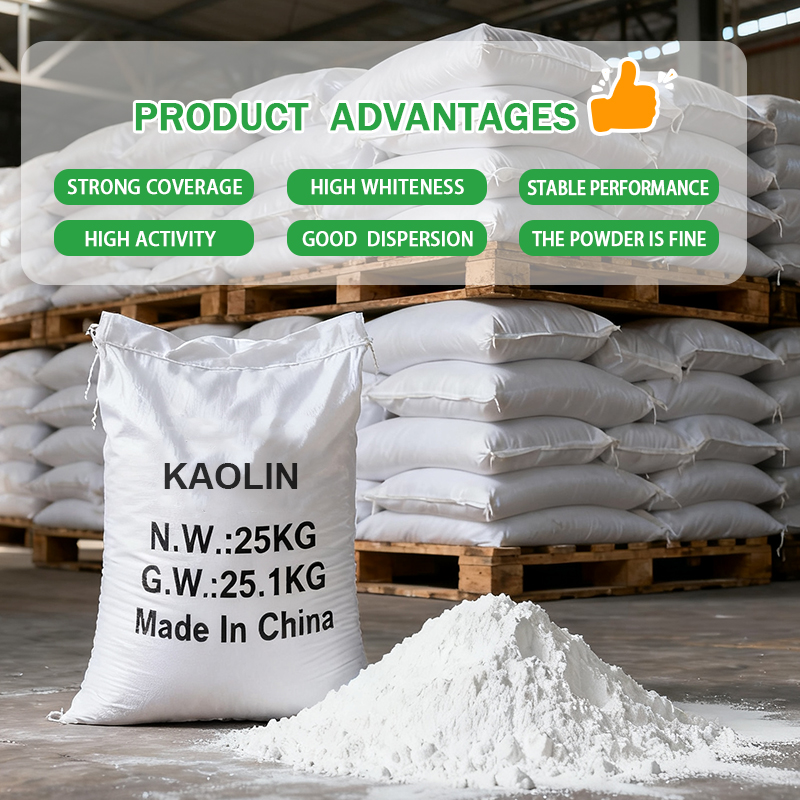
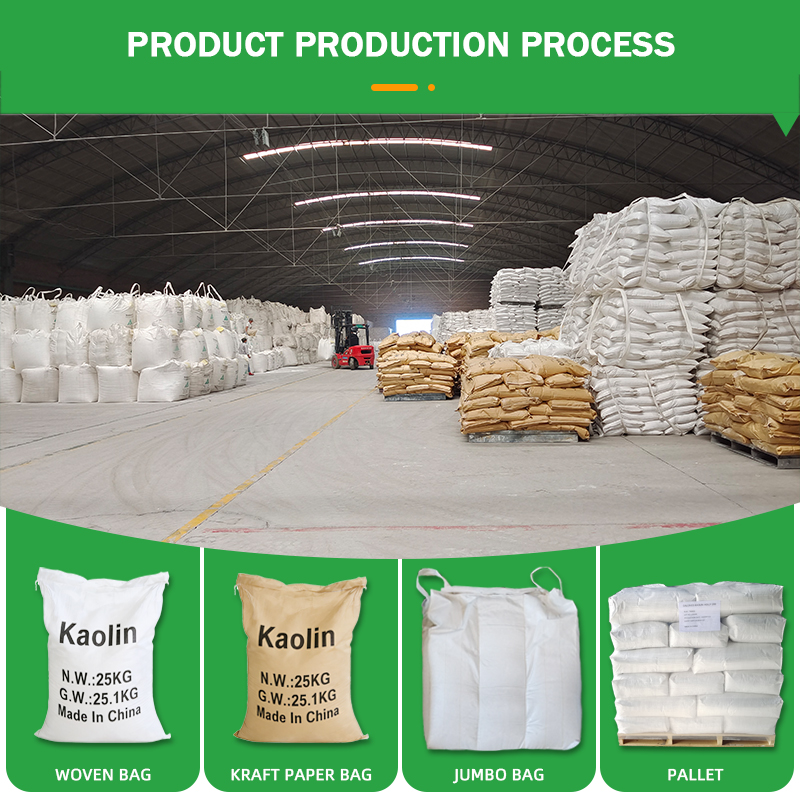
Kaolin is typically packaged in 25kg or 50kg multi-layer paper bags, or in bulk (ton bags/flexitanks) for large orders. Proper labeling with product specs, batch numbers, and safety marks (e.g., "Non-Hazardous") is essential.
What are the common Incoterms used in kaolin trade?
Frequently used terms include FOB (Free On Board), CIF (Cost, Insurance, Freight), and EXW (Ex Works). The choice depends on negotiation between buyer and seller regarding shipping responsibilities and costs.
What documents are required for customs clearance when importing kaolin?
Required documents include a commercial invoice, packing list, bill of lading (B/L), certificate of origin, and quality inspection report. Some countries may require additional permits (e.g., environmental compliance certificates).
What are the payment terms commonly accepted by kaolin suppliers?
Suppliers often accept letters of credit (LC), telegraphic transfers (TT), or secure payment platforms. A 30% deposit upfront with balance paid before shipment is standard.
 Kawsana Health