The global demand for clean, allergen-free, and sustainable protein sources has accelerated a massive transition toward plant-based alternatives. As consumer awareness around health, sustainability, and animal welfare rises, leading brands in food, beverage, and clinical nutrition are turning to trusted manufacturing partners in China to secure high-quality vegan protein powders.
At Shanxi Kawsana Health Co., Ltd., we operate at the intersection of agricultural science and advanced manufacturing. By utilizing state-of-the-art fractionation and extraction technologies, we produce high-purity protein isolates and concentrates—including pea, rice, soy, hemp, and custom plant blends. Our raw materials are carefully engineered to meet the sensory, functional, and nutritional demands of global B2B buyers.
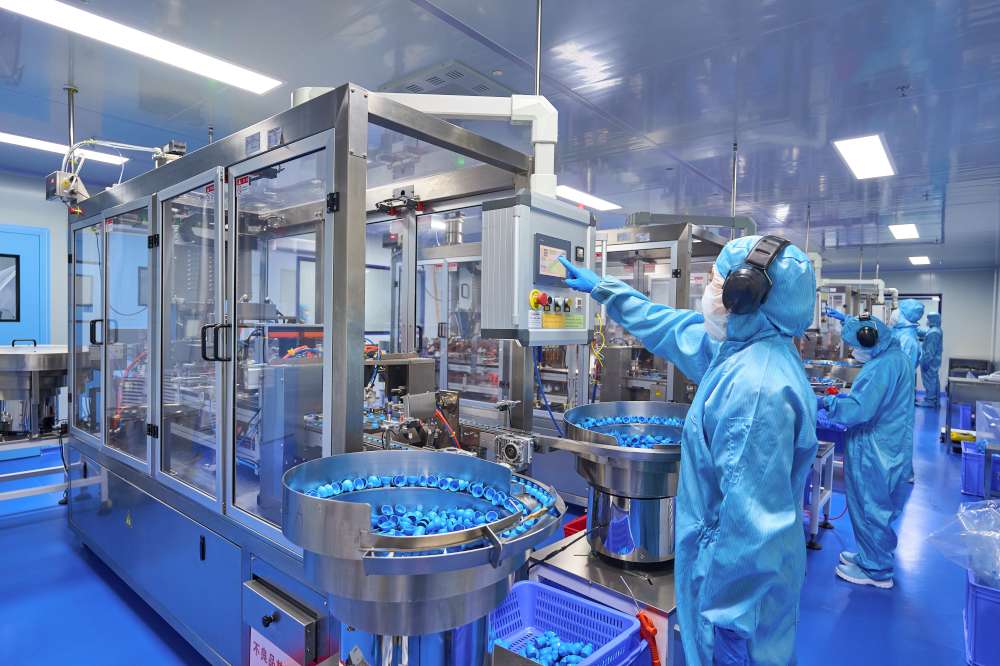
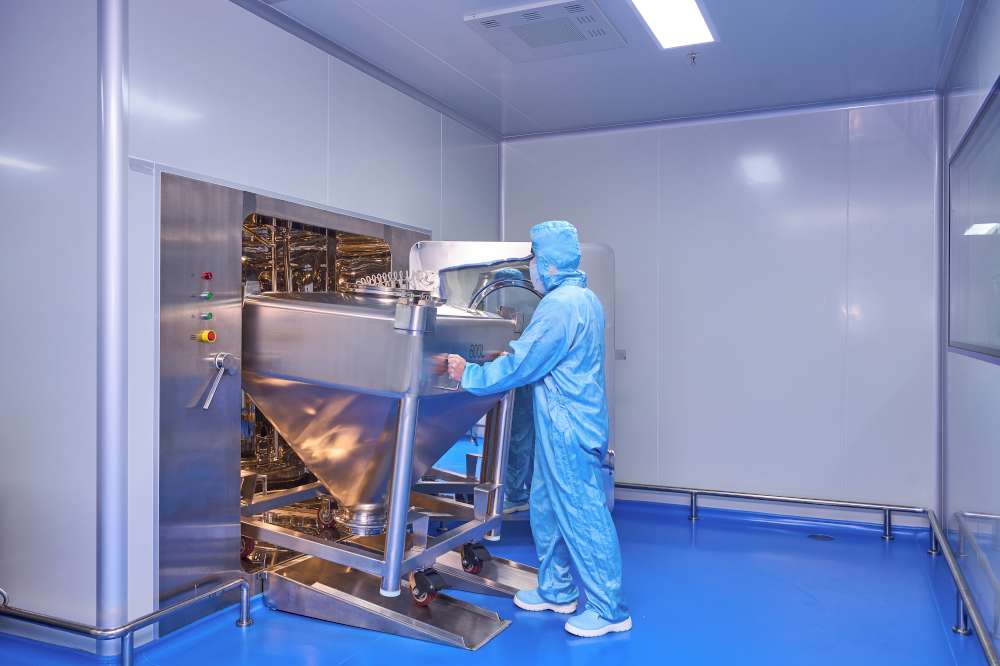
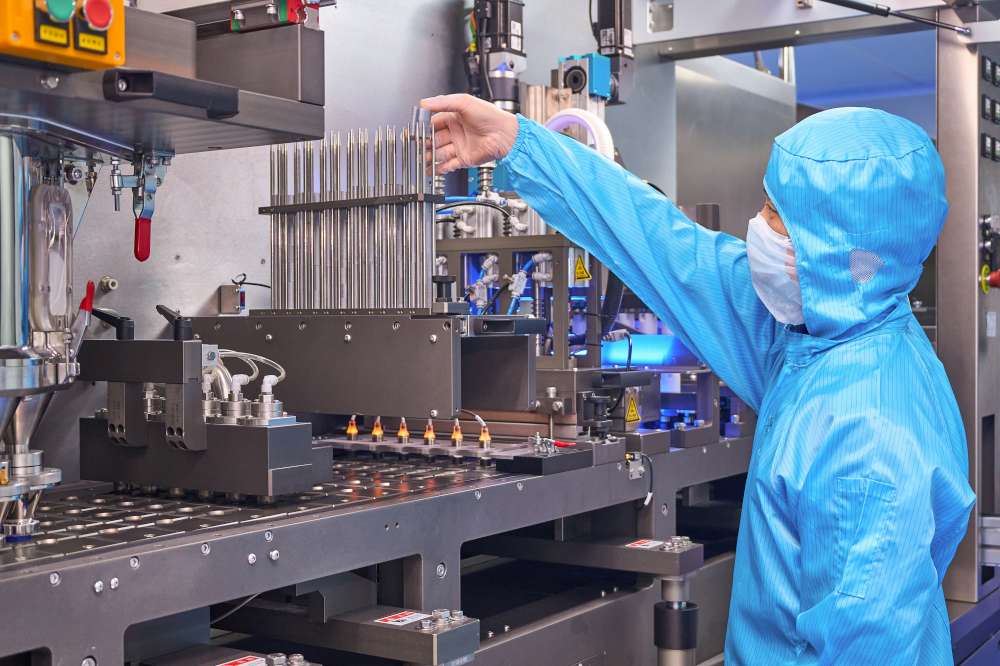
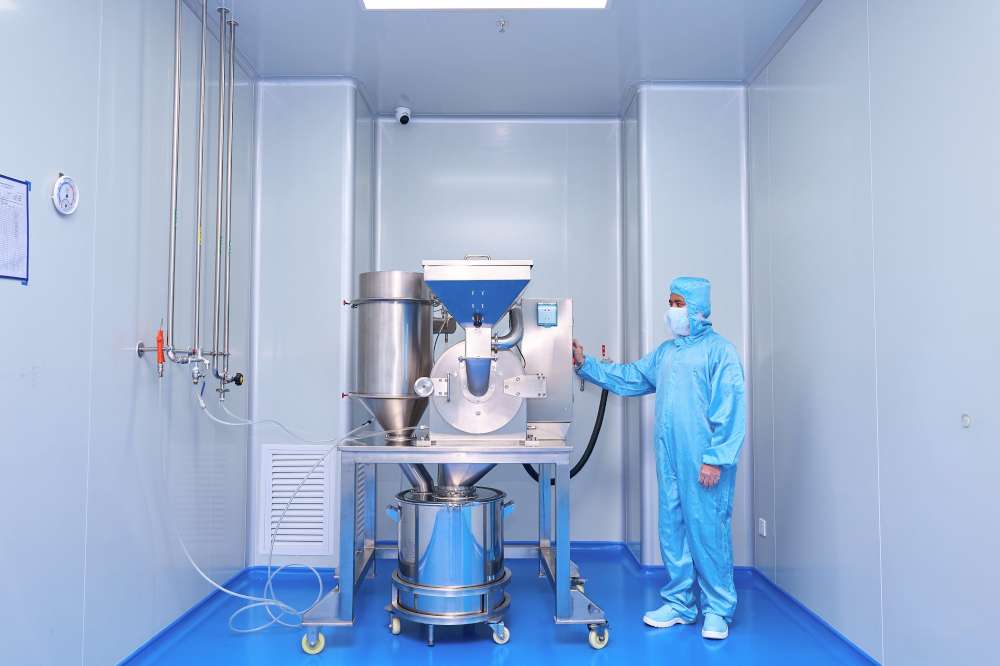
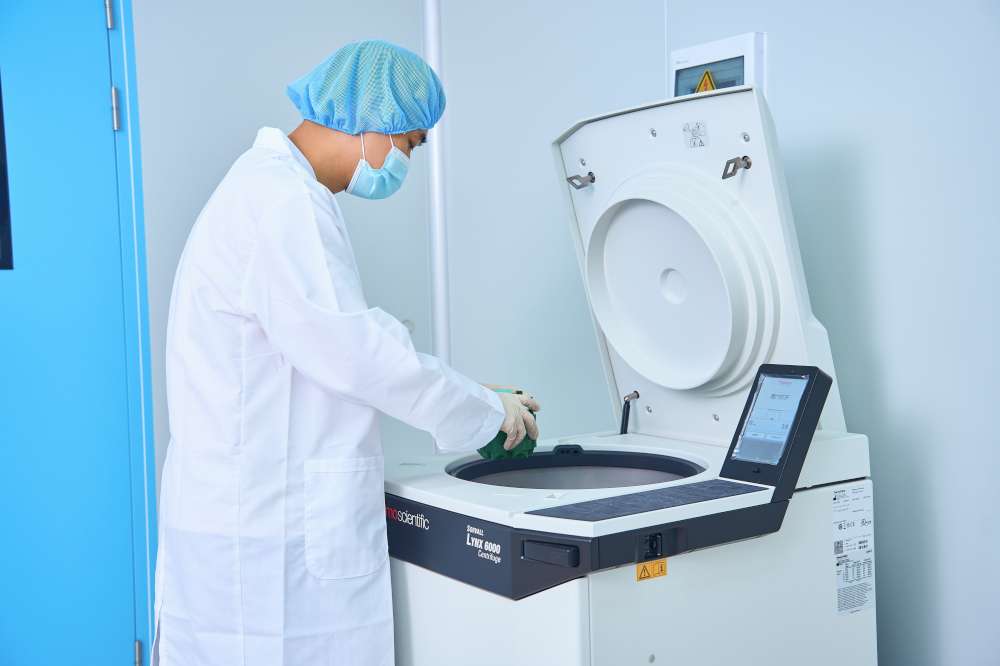
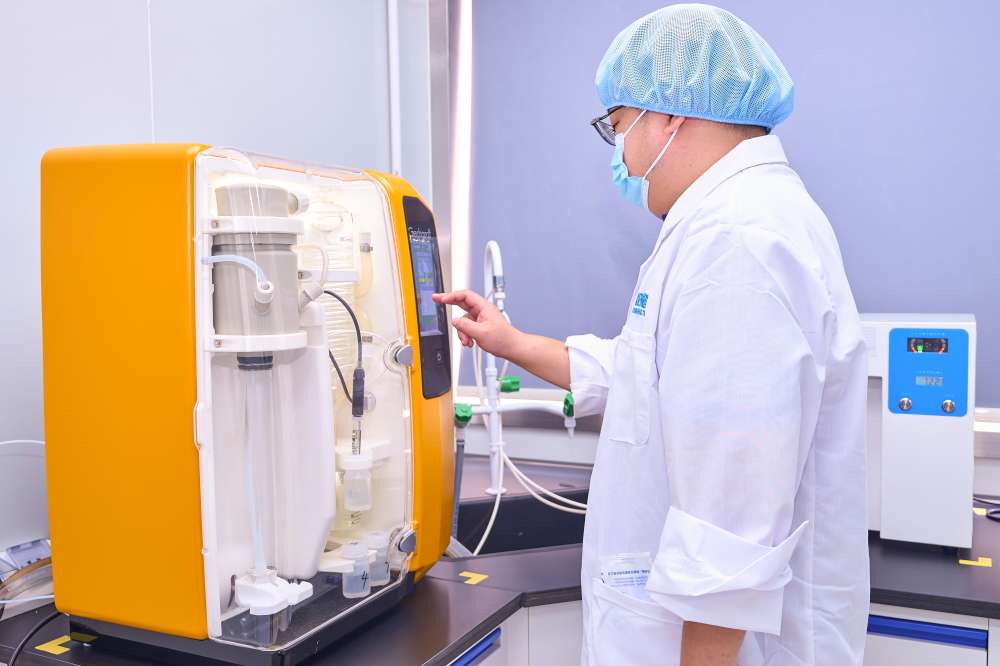
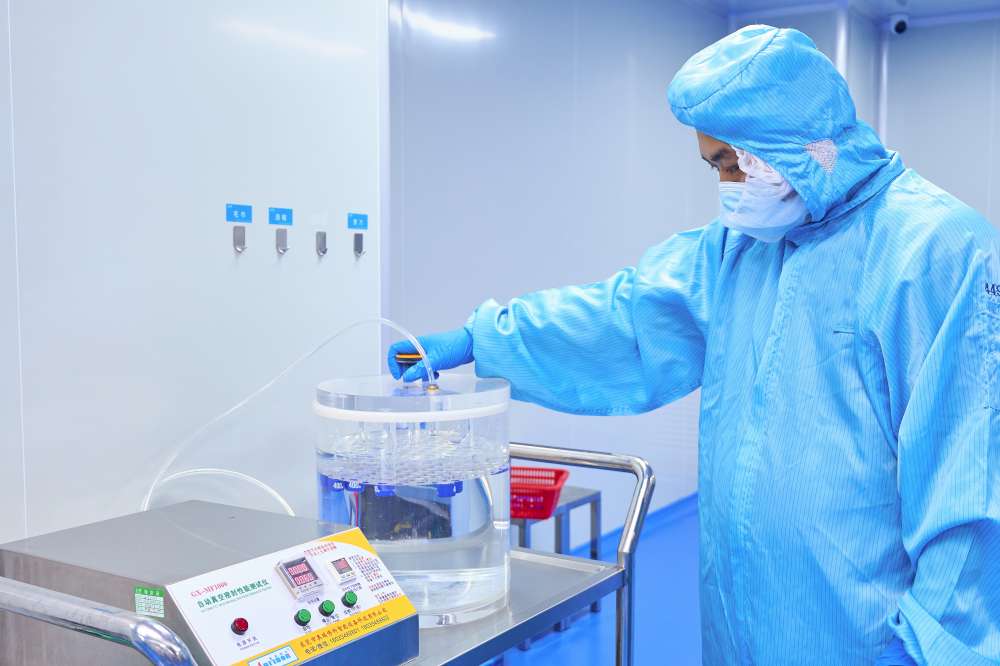
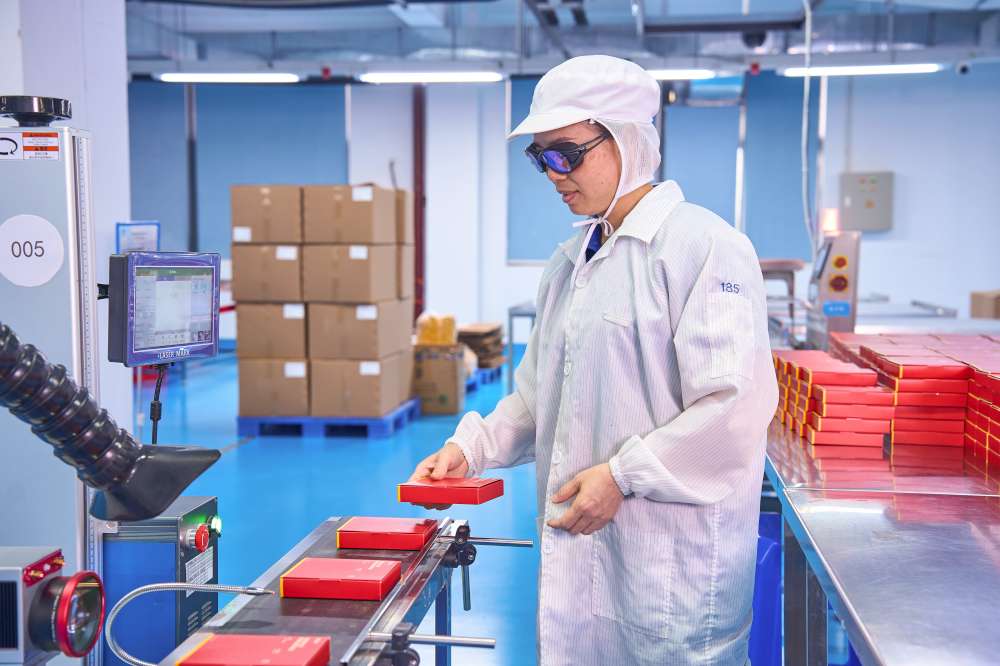
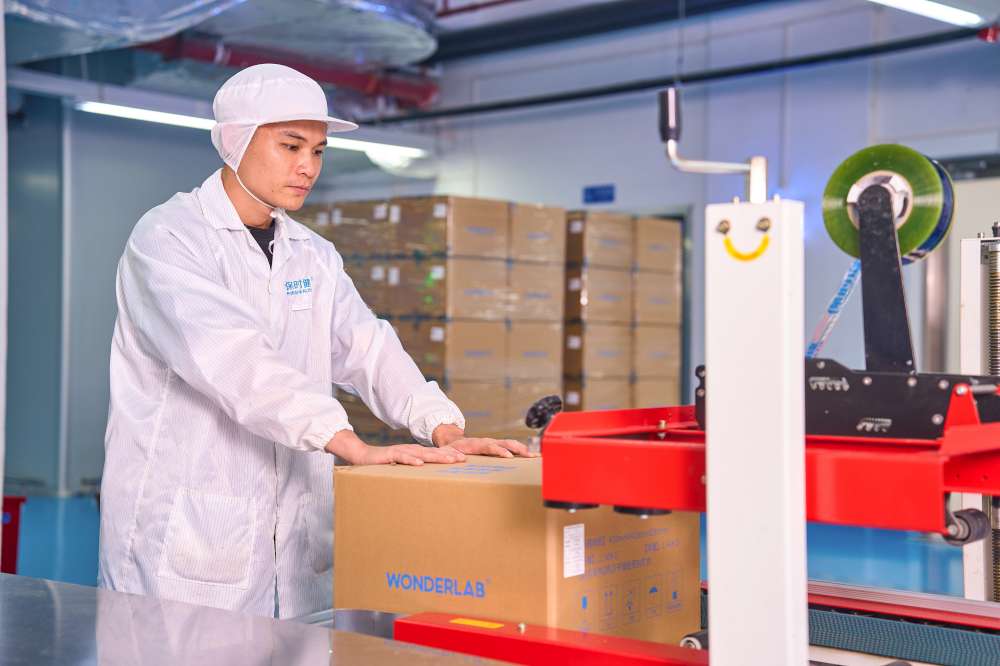
To ensure complete quality control across our supply chain, Shanxi Kawsana Health Co., Ltd. maintains a fully standardized, GMP-compliant plant layout. Our production lines utilize automated extraction systems, low-temperature drying, and rigorous packaging processes that safeguard raw materials from microbial risks, oxidation, and sensory degradation. Below is our key operational sequence:
The international supply structure for plant-based proteins is evolving rapidly. While the early generation of plant protein isolates relied heavily on chemical extraction techniques, today's industrial focus centers on green chemical engineering principles. Major global food conglomerates, nutraceutical brands, and functional food manufacturers are shifting from simple commodities toward highly specialized, clean-label plant protein ingredients.
China is positioned as the primary refining node for the global plant protein supply chain. Blessed with massive geographic cultivation advantages for non-GMO soybeans, yellow peas, and organic rice, Chinese processing plants generate over 60% of the world's pea and soy protein isolates. Modern infrastructure, advanced supply chain capabilities, and strict standardization enable manufacturers like Shanxi Kawsana Health Co., Ltd. to secure premium raw crops and process them with unprecedented precision.
Securing premium, non-GMO legumes, rice, and ancient grains. This shields B2B buyers from geopolitical and agronomic fluctuations.
Separating starch, fiber, and protein while preserving native protein structures and functional characteristics.
Mitigating heavy metals, pesticide residues, and microbial hazards to guarantee compliance with global import metrics.
Developing premium vegan protein powder requires overcoming two primary technological hurdles: solubility limitations and flavor off-notes (the characteristic "beany" taste). Standard industrial processes often degrade amino acids through thermal damage or excessive solvent exposure. Kawsana bypasses these bottlenecks through mild wet enzymatic isolation and low-heat pasteurization.
Our processing sequence starts with the mechanical de-hulling and cleaning of legumes or grains. Next, in the wet extraction phase, we apply precise pH adjustments to achieve isoelectric precipitation. By introducing tailored enzymes, we break down indigestible oligosaccharides (like stachyose and raffinose) that cause digestive discomfort. The resulting slurries undergo advanced spray drying, which yields highly dispersible powders with optimal solubility index ratings.
To satisfy clean-label criteria, we avoid harsh chemical bleaching agents. Our state-of-the-art purification phase leverages physical ultra-filtration membranes. This allows Kawsana to systematically concentrate protein components while removing smaller non-protein molecules. The result is a selection of pea and soy isolate powders boasting high protein counts (exceeding 80% to 90% dry basis) alongside clean, neutral sensory properties.
Global legume markets are prone to climatic shifts, shipping delays, and currency fluctuations. By establishing agricultural agreements directly with regional growers in northern China, Kawsana stabilizes raw material pricing. This safeguards downstream brands from sudden, unpredictable price hikes.
Shipping bulk plant protein requires rigorous moisture control to prevent clumping and microbial growth. We package our bulk powders in multi-ply kraft paper bags lined with food-grade polyethylene inserts. Every container is protected by desiccants and temperature tracking modules.
Whether you are launching a pilot product line or scaling a high-volume functional food product, our flexible manufacturing system accommodates diverse batch requirements. We offer rapid sample matching, dry-blending customization, and co-packing solutions.
No single plant protein is a one-size-fits-all solution for every application. Different food systems require specific functional profiles. For example, ready-to-drink (RTD) protein shakes need ultra-low viscosity and high dispersibility to avoid sedimentation. Conversely, plant-based meat analogs require high gelling and oil-absorption properties to replicate the texture of animal tissues. Kawsana's R&D team adjusts isolation processes to match each target application:
We blend pea and rice proteins to achieve a PDCAAS (Protein Digestibility-Corrected Amino Acid Score) value of 1.0, matching whey protein's essential amino acid profile.
Our specialized enzymes reduce viscosity, preventing chalky textures and settling in liquid matrices. This ensures a clean, smooth mouthfeel.
Our proteins offer robust thermal stability. They retain moisture and structure during high-temperature baking and extrusion processes.
Highly digestible, hypoallergenic isolates produced in strict allergen-segregated production bays. Every batch is rigorously monitored and documented.
Navigating the regulatory requirements of different jurisdictions is a major hurdle for global food ingredient sourcing. Importing plant protein into highly regulated areas like North America and the European Union demands exhaustive testing and documentation. Kawsana eliminates compliance risks through a comprehensive quality verification protocol.
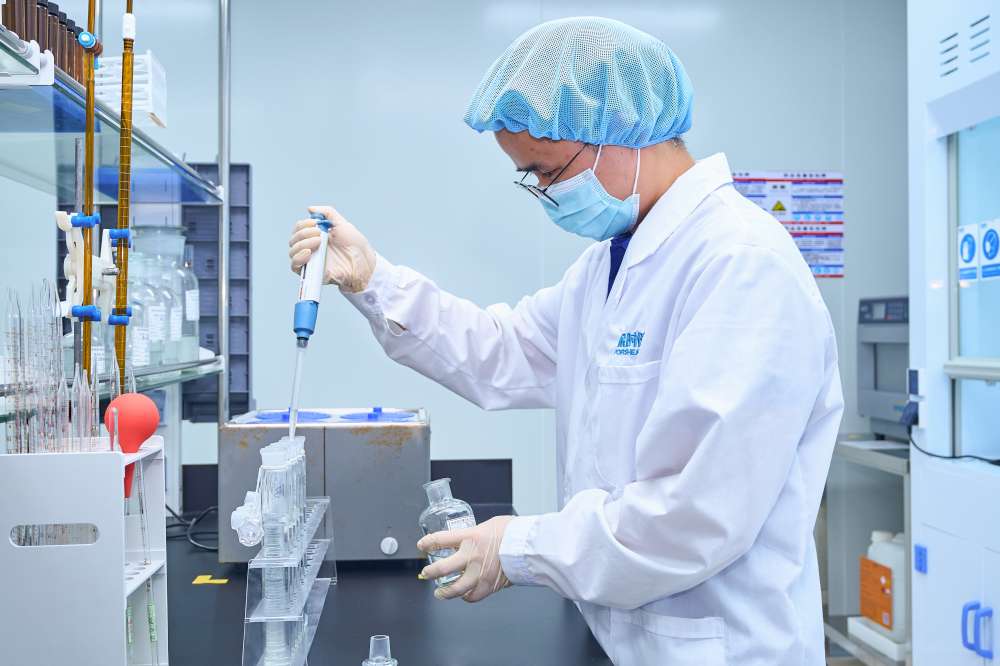
Our central lab is equipped with high-performance liquid chromatography (HPLC), gas chromatography (GC), and atomic absorption spectroscopy. These advanced analytical tools let us systematically screen raw crops for pesticide residues, heavy metals, plasticizers, and common allergens. We maintain strict segregation protocols to prevent cross-contamination from milk, wheat, or tree nuts.
Our quality management system is fully aligned with recognized international safety bodies. This gives global supply chain managers the verified data and paperwork needed for seamless import approval:
At Shanxi Kawsana Health Co., Ltd., we are continually refining our plant protein systems to meet evolving market needs. Our technical roadmap focuses on three key areas:
We are scaling up eco-friendly microbial fermentation techniques. These remove volatile compounds (like hexanal) at the molecular level, creating a neutral flavor base without relying on artificial maskers.
We are developing a physical co-fractionation system that processes peas and ancient grains together. This produces an optimized amino acid profile in a single processing step, avoiding post-extraction dry blending.
By using target-specific enzymatic cross-linking, we are optimizing the texturizing properties of our isolates. This yields raw materials that form stable meat-like textures when extruded.
 Kawsana Health